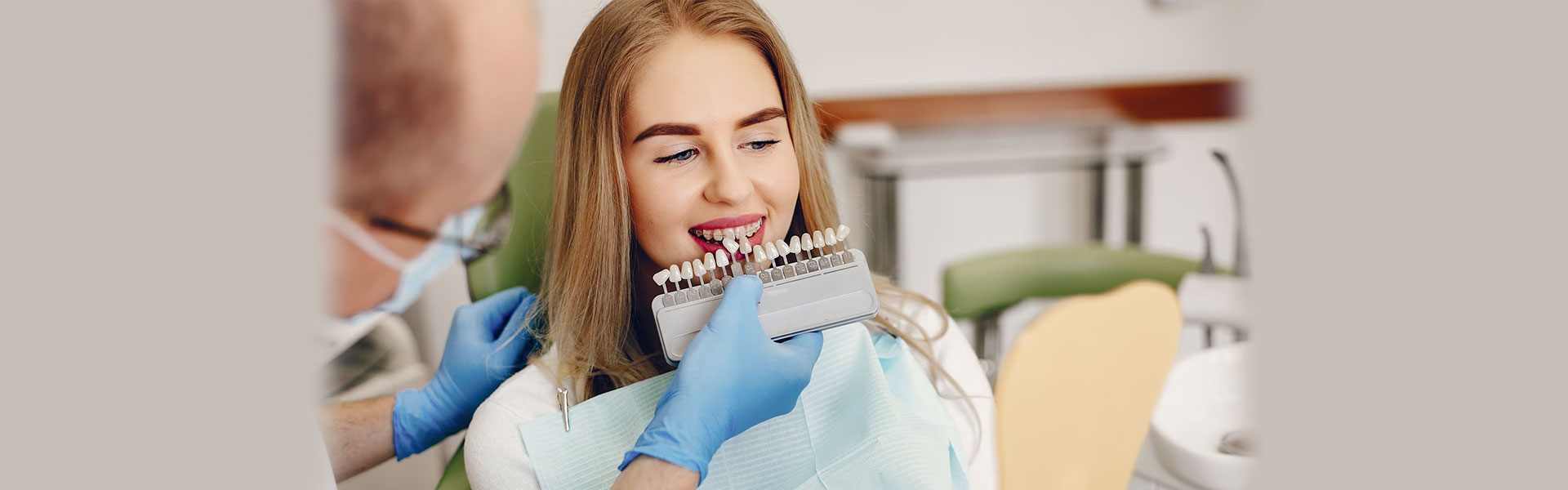
Enhance Your Smile with Dental Veneers: Pros and Cons

Do you feel self-conscious about your smile and wish to improve it? Chipped, discolored, or misaligned teeth? Dental veneers might be the solution you’ve been searching for. Dr. Pushpinder Sethi and the dedicated team at Lakefront Smiles in Stockton, CA, are dedicated to assisting you in achieving a confident smile that you can be proud of. Don’t let self-consciousness hold you back – learn about Exploring the Benefits and Drawbacks of Dental Veneers. Discover how they can transform your smile.

What Are Dental Veneers?

Veneers for the teeth are a common kind of cosmetic dentistry because of their versatility. Composite resin or porcelain is used to make these lightweight, individualized casings. They will be bonded to the front of your teeth by Dr. Pushpinder Sethi, successfully masking a variety of cosmetic flaws. Dental veneers are a great option for those whose teeth have gaps, chips, cracks, or discoloration that have not improved with teeth whitening.

The Pros of Dental Veneers:

  • Enhanced Aesthetics: Dental veneers are renowned for their ability to provide remarkable aesthetic transformations. They can instantly improve your teeth’ color, shape, size, and alignment, resulting in a stunning and natural-looking smile.
  • Long-lasting Results: Veneers offer a durable solution, often lasting for a decade or more with proper care. Their resilience ensures you can enjoy your beautiful smile for years.
  • Stain Resistance: Porcelain veneers, in contrast to natural teeth, are not easily discolored by beverages such as coffee, tea, and wine. This means you won’t have to stress out about keeping your teeth white forever.
  • Minimal Tooth Alteration: Veneers require minimal enamel removal compared to other cosmetic procedures like crowns. This preserves the health and structure of your natural teeth.
  • Instant Transformation: The application of veneers is relatively quick, providing almost immediate results. This is especially beneficial for those seeking swift smile enhancements for special occasions.

The Cons of Dental Veneers:

  • Irreversible Process: It’s vital to remember that veneers are a permanent treatment despite how well they mask flaws in teeth. When veneers are placed, a little portion of the tooth enamel must be removed.
  • Cost Considerations: Dental veneers can be a significant investment, with costs varying based on factors such as material and location. However, their longevity and aesthetic benefits often make them a worthwhile expense.
  • Sensitivity: Some individuals may experience increased tooth sensitivity, especially immediately after the enamel is prepared and during the initial adjustment period.
  • Maintenance Requirements: Although veneers are stain-resistant, it’s still essential to maintain good oral hygiene to ensure their longevity. Regular brushing, flossing, and dental check-ups are necessary.
  • Potential for Damage: Veneers are strong but may be broken if you bite down too hard or use too much power. Nail biting and using teeth as tools are risky behaviors that should be avoided.

Consultation and Appointment:

If you’re considering dental veneers near you, it’s crucial to schedule a consultation with Dr. Pushpinder Sethi and the team at Lakefront Smiles. This personalized assessment will determine if you are suitable for veneers or if alternative treatments like dental bonding or teeth whitening might better suit your needs.

You may easily schedule an appointment by calling, visiting in person, or scheduling it online. The staff at Lakefront Smiles is committed to making sure you feel at ease during your visit, and they do so by accepting a wide range of payment methods and insurance policies.

Don’t let insecurities about your smile hold you back any longer. Reach out to Lakefront Smiles and take the first step toward achieving the radiant smile you deserve. Remember, confidence starts with a smile you’re proud to share.

The Ultimate Guide to Teeth Whitening: Methods, Tips, Advantage

A bright white smile can enhance your appearance and boost your confidence. While regular brushing is important, it may not be enough to achieve your desired dazzling smile. If you’re looking for teeth whitening in Stockton, CA, you’re in luck! At Lakefront Smiles, our experienced dentist near you supplies professional teeth whitening services to help you achieve the smile of your dreams.

What is Professional Teeth Whitening?

Professional teeth whitening differs significantly from over-the-counter products. At Lakefront Smiles, Dr. Pushpinder Sethi utilizes advanced technology and dental techniques to ensure safe and effective results.

Our teeth whitening treatment can effectively eliminate stains caused by common culprits such as coffee, wine, tobacco, inadequate oral hygiene, and natural aging. Our professional whitening treatment allows Patients to achieve up to eight shades of whiter teeth.

While it may be tempting to save money by opting for at-home whitening solutions like store-bought kits, whitening toothpaste, or DIY methods such as activated charcoal, it’s essential to recognize their limitations. As a reputable Stockton dentist, 95207, we prioritize your safety and optimal results. By choosing teeth whitening services at Lakefront Smiles, you can rest assured that you’ll achieve safe and reliable outcomes.

Teeth Whitening Services at Lakefront Smiles

At Lakefront Smiles, we offer two convenient options for teeth whitening: take-home whiteners and in-office whitening.

  • Take-Home Whiteners:

Recently, many individuals prefer receiving medical care from the comfort of their homes. Our dentist near you provides custom-made trays with peroxide gel to whiten the enamel beneath the tooth’s surface. It allows you to conveniently whiten your teeth at home while achieving remarkable results. At Lakefront Smiles, we make your dream of a brighter smile a reality.

  • In-Office Whitening:

Our in-office whitening option is highly recommended for those seeking a stronger treatment with quick results. Our professional team can significantly whiten your teeth in about an hour with several shades. To ensure your safety, we will protect your gum tissue and use dentist-grade peroxide for optimal whitening effects. If you’re interested in either of these options, don’t hesitate to contact us today to book a consultation at your convenience.

Tips for Maintaining a Bright Smile:

To maintain your stunning smile after teeth whitening, here are some helpful tips:

  • Practice Good Oral Hygiene: Brush your bright teeth at least twice daily and floss to eliminate plaque and prevent stains.
  • Limit Stain-Causing Foods and Drinks: Reduce your consumption of black coffee, tea, red wine, and other staining foods and beverages.
  • Quit Smoking: Smoking is a substantial contributor to tooth discoloration. Quitting smoking benefits your overall health and helps maintain a brighter smile.
  • Regular Dental Check-ups: Visit our dentist in Stockton, CA, for regular check-ups and professional cleanings to ensure your oral health and the longevity of your teeth whitening results.

Advantages of Professional Teeth Whitening:

Choosing professional teeth whitening at Lakefront Smiles offers several advantages:

  • Effective Results: Professional teeth whitening provides superior and longer-lasting results compared to over-the-counter options.
  • Customized Treatment: Our dentist will tailor the treatment to your unique needs, ensuring optimal whitening effects without causing damage to your teeth and gums.
  • Safety: Professional teeth whitening at our dental office is safe, as our team follows strict protocols to protect your oral health.
  • Expert Guidance: Our experienced dentist will guide you through the process.

Dental Filling Vs. Root Canal: What is Right for You

Dental fillings and root canals differ in a few ways:

  1. Design
  • Dental fillings

Dental fillings repair damaged or decayed teeth or ones with minor fractures. They are a restorative solution designed to restore a tooth’s shape, function, and strength affected by cavities or small defects. Dental fillings are typically made from composite resin, porcelain, or amalgam (a mixture of metals).

Dental fillings prevent further decay, restore the tooth’s integrity, and provide a natural appearance, blending in with the surrounding teeth. They play a crucial role in maintaining oral health and preserving the functionality and aesthetics of the smile.

  • Root canal

Root canal in Stockton, CA, is performed to save a tooth with severely infected pulp. The pulp can become infected due to deep decay, trauma, or a cracked tooth causing severe pain, abscess, or tooth loss.

  1. Procedure
  • Dental Filling Procedure

A dental filling procedure is performed in a dental office near you. It begins with the dentist administering local anesthesia to numb the area around the tooth to be treated. The dentist will drill the teeth to remove the decayed part of the tooth and prepare the tooth for the filling material. Depending on the filling chosen, such as composite resin or amalgam, the dentist will carefully place and shape the filling material to restore the tooth’s natural shape and function. The filling is then hardened using a special light or chemical, and any excess material is trimmed and polished. The patient may experience temporary sensitivity after the procedure but generally subsides quickly.

  • Root Canal Procedure

The root canal procedure is a more involved treatment performed by an endodontist or a dentist with specialized training in root canal therapy. The process typically requires multiple visits, depending on the case’s complexity. During the first visit, the dentist will administer local anesthesia to numb the area and create a small access hole in the tooth’s crown.

The canals are then cleaned, shaped, and disinfected to eliminate any remaining bacteria. An antibacterial solution may sometimes be used to ensure thorough disinfection. After the canals are cleaned and shaped, they are filled with a biocompatible gutta-percha material. This material seals the canals to prevent further infection.

In most instances, a temporary filling is placed atop the access hole. A dental crown or filling is placed during a subsequent visit to restore the tooth’s strength and appearance.

  1. Problems they solve
  • Dental Fillings

Dental fillings are typically used when the tooth has experienced minor damage or decay that affects the outer surface or enamel. They are suitable for small to moderate-sized cavities, cracks, or chips that have not reached the tooth’s inner pulp. Dental fillings can improve the tooth’s appearance or reshape it. They are commonly used in cases where the tooth structure is still relatively healthy and can support the filling material. Dental fillings are a conservative treatment option that is most effective when the damage is confined to the tooth’s surface.

  • Root Canal Therapy

Root canal therapy near you is employed when the tooth’s inner pulp becomes infected or inflamed. This can occur due to deep decay, a cracked tooth, trauma, or repeated dental procedures on the same tooth. Root canals are necessary when the infection or inflammation extends beyond the tooth’s outer layers. The goal is to save the tooth from extraction by removing the infected pulp, disinfecting the canals, and sealing them to prevent reinfection. Root canal therapy is recommended when the tooth’s structural integrity is compromised or when the infection is causing severe pain, abscess, or swelling.

Which is Ideal?

Determining whether a dental filling or a root canal is the ideal treatment option depends on the specific circumstances and condition of the tooth. Dental fillings are generally ideal for minor tooth damage or decay limited to the outer surface, as they are less invasive and require less time to complete. A root canal is ideal for saving the tooth and preventing further complications. Visit Lakefront Smiles for an evaluation of the extent of the damage and recommend the most appropriate treatment option for optimal oral health and long-term tooth preservation.

Dental Implants Abutments: Procedure and Aftercare

Losing teeth can be devastating because they affect your appearance and confidence. But more than that, the surrounding teeth can shift, causing bite problems and potential jaw pain. Getting dental implants near you prevents this by providing stability and support for your remaining teeth.

A tooth implant is a permanent restoration for replacing missing teeth, offering long-term stability and durability. It restores your eating and speaking ability and improves your confidence and self-esteem. With proper care and maintenance, teeth implants can last for several decades, making them an investment in oral health and quality of life. Consider talking to your dentist about whether a dental implant could be right for you.

What Are Dental Implant Abutments?

Dental implant abutments are small metal connectors that join the implant to the replacement tooth or bridge. The abutment is placed after the gum tissue has healed and osseointegration (the implant and bone fuse) has occurred.

Abutments are made of titanium, a strong and durable metal compatible with human bone. Titanium is also used for other medical implants, such as hip replacements. The abutment is screwed into the implant, providing a secure connection.

Benefits of Dental Implants

Dental implants in Stockton, CA, offer several benefits compared to other teeth replacement options. One major benefit is that implants are much more stable and secure than other options. This allows you to eat without worry that your teeth will slip or fall out. Also, implants fuse to the bone, preserving your face’s jawbone and natural shape.

Additionally, teeth implants don’t require special care; you care for them like your natural teeth.

Procedure for Placing an Abutment

Placing an abutment is generally a quick and easy outpatient procedure that can be done in your dentist’s office. The dentist will numb your gums and open the gingivae to expose the implant. Next, he will attach the new abutment and check if it fits, and then your gum tissue will be sutured closed around it.

You might experience some soreness or tenderness after the procedure, which is normal and can be managed with pain medication. You can also reduce swelling by applying ice to the affected area.

Aftercare for Your Abutment

Aftercare for your abutment is vital to ensure that your implant heals properly.

  • Oral Hygiene

Maintaining proper oral hygiene is critical to the healing process. Continue to brush your teeth with a soft-bristled toothbrush, use a mild, non-alcoholic mouthwash, and floss gently around the implant abutment.

  • Diet

A soft-food diet is recommended for the first few days following the abutment placement to avoid trauma to the implant area. Avoid hot and spicy foods and beverages, as well as alcohol and tobacco products.

  • Pain Management

Discomfort, swelling, and minor bleeding are common after implant abutment placement. A dentist near you may prescribe pain medication, but pain relievers can also be effective.

  • Follow-up Visits

Your dentist will schedule follow-up dental appointments to monitor the healing progress and ensure the implant integrates appropriately. It’s essential to attend all appointments and follow any instructions provided by your dentist.

  • Avoid Pressure on the Implant

Avoid putting excessive pressure on the implant area for the first few days after the abutment placement. This includes avoiding chewing on the implant site, touching or poking the area with your tongue or fingers, and wearing a removable prosthesis.

Potential Complications with Abutments

While these abutments provide a strong foundation for tooth replacement, they may also have potential complications. One of the most common issues is peri-implantitis, which occurs when there is inflammation around the implant site due to bacterial infection.

The implant infection can lead to bone loss around the implant and ultimately cause it to fail.

Another complication that may arise from dental implant abutments is screw loosening. When the screw holding the abutment becomes loose, it can result in the movement of the restoration, causing discomfort and compromising its effectiveness. In addition, if left untreated, this can create space between the implant and abutment, leading to further complications such as bone resorption.

It’s important to note that these potential complications only occur occasionally, especially if proper care is taken during placement and regular check-ups are maintained. Nevertheless, work closely with your dentist to minimize risks.

Conclusion

Teeth implants are a safe and effective solution for missing teeth that can provide a long-lasting and natural-looking smile. Visit Lakefront Smiles for more information about dental implants and how they are fixed.

The Lifespan of Dental Bridges for Molars: How to Care for Them

Nothing kills an amazing smile like missing teeth. Moreover, you will have to deal with the oral and overall health issues that might arise. You will have to deal with indigestion, shifting teeth, and even enunciation issues. Thankfully, our dentist in Stockton has dental bridges that can help you solve the missing teeth issues.

Getting a dental bridge on molars is among the best decisions you will ever make regarding your oral health. But to maintain your new smile, you will need to be extra careful to ensure that your dental bridge serves you as it should.

Our dentist has come up with some nuggets of wisdom that will help you increase the lifespan of your dental bridges.

How Long Does a Dental Bridge Last?

Dental bridges in Stockton can last for about five to seven years. However, they can last much longer than seven years if you know how to care for them. Just like your teeth, dental bridges require daily care to ensure that they serve you well. Therefore, you will need to maintain proper oral hygiene, check your diet, etc., if you desire to see your dental bridges serve you for many years.

In any case, let’s see how you can care for dental bridges. But first, here’s what happens when you immediately receive dental bridges.

Initial Sensitivity and Discomfort

It is not uncommon for you to feel discomfort or experience tooth sensitivity after our dentist places the tooth bridges. The discomfort or tooth sensitivity worsens whenever you eat hot or cold foods. If this happens to you, getting toothpaste designed for sensitive teeth would be best.

You can expect the sensitivity to subside over the next several days as your mouth also gets accustomed to your new set of pearly whites. If your bite feels unusual several days after the procedure, then it is time to contact our dentist near you.

Recommended Oral Care

Tooth decay underneath the dental crowns anchoring the dental bridge is one of the most prevalent issues when tooth bridges occur. At times, food might lodge beside or beneath the dental bridge, which usually leads to an accumulation of plaque that leads to tooth decay.

To prolong the useful lifespan of dental bridges, you might need to do the following:

Brush Your Teeth Twice a Day

Some people neglect to brush their teeth for fear of tampering with their new set of pearly whites. However, not brushing your teeth after meals will result in plaque buildup, which will not be good for your oral health.

Brushing your teeth shouldn’t be an uphill task since you only need a minimum of two minutes to ensure your teeth are plaque-free. It is best to do it thrice daily, but if this is difficult to pull off, then twice daily will still suffice.

  • Use Fluoride Rinses

Fluoride is an essential component that helps your teeth stay strong. Therefore, you can expect fluoride to strengthen your teeth, especially those holding dental bridges. Also, fluoride will help protect your teeth against tooth decay.

  • Clean Under the Dental Bridge

Dental bridges are usually tightly attached to the tooth, leaving little to no room for regular flossing. This is why our dentist will advise you to get special tools to help you clean under the dental bridge.

  • Get Your Teeth Professionally Cleaned

It is always best for you to get your teeth cleaned by our dentist. Our dentist can remove plaque and clean even the hard-to-reach areas of your mouth. Regular dental cleaning is essential to keep bacteria from causing an infection or tooth decay.

Dietary Tips

Even though you are allowed to eat a vast majority of foods when you have dental bridges, it is always a good habit to check what you are eating. For instance, you need to steer clear of hard, chewy, or sticky foods, which have a knack for cracking or sticking to your teeth.

Remember that dental bridges could be sturdy but different from your natural teeth. Therefore, use them appropriately since they will crack, break or even come out, thus reducing their lifespan.

We Are Here for You

When you get your dental bridges, you should keep in touch with our dental team. We can only help you get the best out of this treatment through communication. Contact us at Lakefront Smiles to talk to our dentist.

How to Care for Your Invisalign: Cleaning and Maintenance Tips

After getting Invisalign near you to straighten your teeth, it is essential to remember the clear aligners need cleaning every night. Although you are supposed to discard the aligners, you must recognize the cleaning because you will likely have smelly and dirty aligners on your teeth.

When starting Invisalign treatment to straighten your teeth, you receive advice on the best practices to keep your aligners clean from Invisalign’s provider. Keep reading if you still need to receive the instructions and learn about them from this article.

Cleaning Vs. Renting Invisalign Braces

It helps if you remember differences exist between cleaning and rinsing. Rinsing your aligners will make them appear slightly cleaner but leaves the bacteria that can build up on them intact. Therefore you must follow the fundamental cleaning process listed by Invisalign on their website for cleaning the aligners every night.

Rinse your aligners every night and gently brush them with a soft-bristled toothbrush other than your regular toothbrush. Use clear liquid soap to remove food particles and debris accumulated on them during the day. Rinse the aligners thoroughly after brushing. Store the braces in their protective case if not using them.

Cleaning Accessories

Invisalign markets a product called Steraligner with trays. Steraligner ingredients include rubbing alcohol and sodium bicarbonate, a natural antiseptic. When cleaning your aligners, please place them in the tray for three minutes and rinse the sterilizing solution before brushing them with warm water. You can also purchase Invisalign crystals that are dissolvable in water to soak your aligners. The crystals contain cleaning agents and sodium sulfate. The ingredients are similar to products used to clean retainers if you want an affordable product than the cleaning crystals.

How Often Do the Aligners Need Cleaning?

Invisalign aligners need nightly cleaning when you brush and floss your teeth. The cleaning helps remove food particles, debris, and bacteria that naturally accumulate throughout the day. In addition, you can also clean the levels if they appear dirty or if you accidentally drank some colored beverage while wearing the aligners over your teeth. Finally, cleaning the aligners is essential if you wear them too soon after eating.

Besides the extensive cleaning measures, you must also rinse your aligners every time you remove them from your teeth. Although the aligners need replacement every two weeks, they are best cleaned daily. Failure to clean the aligners can make them appear discolored and result in a lousy breath. In addition, you are constantly exposing your teeth to built-up bacteria.

Should You Avoid Any Cleansers?

Some cleansers are harsh and damaging for use on Invisalign in Stockton or obtained from any place in America. For example, you must avoid using denture cleansers, mouthwash brands containing alcohol, scented soaps which can taste bitter, and toothpaste. You must also avoid using cleansing soaps with added dyes like blue, red, or green. Your Invisalign braces can easily stain, making them distinguishable in your mouth instead of virtually invisible. When cleaning Invisalign aligners, you must avoid using a coarse-bristled toothbrush and stick to soft bristles because they can damage your Invisalign aligners.

Best Practices When Caring for Your Invisalign

Following the best practices suggested by the dentist near you for caring for your aligners helps keep them clean and bacteria-free. Some examples include:

  • Removing your aligners when eating to eliminate food particles from becoming trapped in them or damaging the aligners leaving them ineffective.

  • Refrain from drinking beverages other than water when the aligners are over your teeth. If not, you risk straining and damaging the braces.

  • Do not use hot water to clean the aligners.

  • Store your Invisalign aligners when not using them in an airtight container. This prevents the likelihood of losing them and offers protection from bacteria.

Conclusion

Invisalign is a popular remedy for adults and teenagers to straighten teeth. However, Invisalign aligners need regular cleaning for maximum effectiveness.

Caring for your aligners ensures that the case remains clear and virtually invisible as possible. As they are intended for disposal after two weeks, they cannot withstand harsh cleaning methods, abrasive brushes, or hot water.

If you find it challenging to keep your aligners clean, discuss the problem with your dentist in stockton. They can recommend specific techniques for your dental needs and keep your mouth and aligners clean.

If you have received Invisalign aligners to straighten your teeth from Lakefront Smiles, consider yourself fortunate because you receive a comprehensive set of cleaning and maintenance instructions from the provider. Following the specific directions of the dentist helps you keep your Invisalign braces clean and virtually invisible in your mouth.

Benefits of Professional Teeth Whitening for Sensitive Teeth

Everyone desires a whiter, brighter, and more attractive smile. This can be achieved through teeth whitening treatments. These are performed at home or a dental office providing teeth whitening near you. However, people with sensitive teeth experience excess irritation during teeth whitening. Read on to learn how professional teeth whitening benefits sensitive teeth.

What Does Professional Teeth Whitening Involve?

Professional teeth whitening is a safe, effective method for brightening a smile. It is performed in a dental office by professionals such as a dentist in Stockton. The expert uses a highly concentrated bleaching agent like hydrogen peroxide. It combines with oxygen to weaken and eliminate tooth stains.

The dentist may use lasers or LED lights to accelerate the whitening process. First, they apply the whitening gel and leave it for about an hour. Afterward, they expedite the process with lasers or lights. This helps them eliminate various types of stains for a whiter smile.

They will take precautions to prevent enamel damage and gum irritation from the bleaching agents. In-office whitening helps you achieve a brighter smile in a shorter time. In addition, the procedure produces better and longer-lasting results.

Advantages of In-Office Teeth Whitening for Sensitive Teeth

Some people have sensitive teeth due to receding gums, gingivitis, or fractures. Therefore, dentists do not recommend at-home teeth whitening for them. It is because the agents in the whitening products will cause intense sensitivity. Also, they may use the products differently than prescribed, increasing sensitivity.

When you go to a dentist for teeth whitening, they will first examine your teeth and gums. The exam will help determine if you have oral issues that may cause extra tooth sensitivity. They will check if you have infected gums, damaged enamels, or exposed tooth roots.

Once they notice either of these issues, they may postpone the whitening procedure. In the meantime, they will provide the appropriate treatments to reduce sensitivity. Alternatively, they may perform the whitening treatment. However, they will take extra precautions to avoid sensitivity. The extent of your oral issues will help them decide the best option for you.

Methods to Reduce Sensitivity During and After Teeth Whitening Treatments

Teeth whitening treatments should be comfortable with excellent results. Therefore, the experts at Stockton teeth whitening take precautions to minimize sensitivity. Some methods dentists use to reduce sensitivity are highlighted below.

  • When the dentist notices you have sensitive teeth, they will not whiten them. Instead, they will prescribe desensitizing toothpaste to minimize sensitivity. You will use it for about a week and then undergo the whitening process.
  • The dentist may use desensitizing products like potassium nitrate during the whitening process. They will apply the effects to your whitening tray before placing it on your teeth.
  • After whitening, the dentist will apply fluoride varnish to your teeth. Fluoride will build up and strengthen the enamel preventing sensitivity.
  • The dentist will ensure that the bleaching agent is not left on the teeth for an extended period. It is because this may increase sensitivity. Instead of performing the entire treatment simultaneously, they will break it into shorter sessions.
  • They will place a barrier on the gum line if your sensitivity stems from your gums. It will keep the bleaching agent from touching your gums and causing sensitivity.
  • The dentist may advise you to use anti-inflammatory agents to reduce sensitivity. These include over-the-counter products like Motrin®️ and Advil®️.
  • Also, they will ask you to avoid cold or hot foods and beverages before and after the treatment. They aggravate sensitive teeth causing intense pain.
  • They will prescribe suitable desensitizing toothpaste or gels to use after teeth whitening. These will reduce sensitivity allowing you to resume your regular diet and activities.
  • Finally, they will advise you to use a straw when taking drinks that may irritate your teeth. It prevents the liquids from making contact with your teeth and causing sensitivity.

Get a More Brilliant Smile Today!

Are you considering teeth whitening near you? Then contact us at Lakefront Smiles. Our experts will scrutinize your teeth before the whitening treatment. They will determine if you have any underlying oral issues that increase the risk of teeth sensitivity. They will address the problems and continue the whitening treatment if you do.

Pain after Cavity Filling: What Is Normal?

Do you experience pain and sensitivity after having a cavity filled? The discomfort results from nerve irritation, allergic reactions, or incorrect bite alignment.

Pain after getting dental fillings near you is expected, but it should subside with time. However, you must call the provider immediately if the pain is extreme or if you have other symptoms like fever and swelling.

This article looks at pain after cavity fillings, how to treat the condition, and when to contact your dentist, besides providing information about other causes for the discomfort.

What to Expect after Cavity Fillings?

The cavity-filling procedure involves a dentist drilling your tooth to clean the decay before filling it with new material. While the dentist injects numbing agents around your tooth, they will clean the decayed portion using a dental drill. After the cleaning, the dentist fills the hollow space with fillers like gold, silver amalgam, composite resin, or porcelain—the pain you experience from the cavity filling starts after the numbing agent wears off.

How Does the Pain Feel after a Cavity Filling?

When you have a painful tooth after a cavity filling, you may notice some triggers that cause an uncomfortable sensation in the tooth and the surrounding area. The pain might appear unexpectedly and disappear in some time. Some triggers that might cause pain in a cavity-filled tooth include cold foods and drinks, hot beverages, cold air hitting your mouth by breathing with an open mouth, sugary foods, acidic foods and beverages, and biting down when eating.

Why Do Fillings Cause Pain in the Tooth?

You can expect temporary pain after a cavity filling. However, if the discomfort is persistent or severe after restoring the tooth, it is likely due to other reasons that need treatment. Below are some causes or symptoms that explain when to see the dentist.

  • Irritated Nerves:You may experience short-term pain in the filled tooth because the filling procedure might have aggravated or caused inflammation to the nerve inside the tooth. The nerve receives protection from the tooth enamel and dentin from exposure. Unfortunately, deep cavities can get close to nerve endings to cause irritation and uncomfortable sensations. The pain will subside as the nerve heals in a few days or weeks. After the nerve has healed fully, you will feel no difference between the restored tooth and your remaining teeth.
  • Incorrect Bite Alignment: When receiving dental fillings in Stockton, CA, the dentist ensures the cavity filling lines up with your remaining teeth. However, you might experience some pain when biting after restoring your tooth. The pain disappears by itself without needing treatment. However, if the filling is too high, it exerts extra pressure when biting down. As a result, the pain is more severe than general post-filling sensitivity. If you feel pain and extreme sensitivity or confront challenges eating or putting your teeth together, you must request the dentist for advice to check your bite. The dentist may smooth the high of the filling to fit your bite and eliminate discomfort correctly.
  • Pulpitis is: An inflammation of the dental pulp at the center of your tooth. Minor fillings generally do not cause pulpitis, but the chances of it occurring remain if your tooth has trauma resulting in cracks or fractures, you have a deep cavity expanding to the dental pulp, or the tooth has received repeated fillings and other treatments. Pulpitis exists in two forms reversible and irreversible. Reversible pulpitis doesn’t need therapy because your tooth heals independently. Unfortunately, irreversible pulpitis from a damaged nerve starts dying and needs a root canal to preserve the tooth.
  • Allergic Reactions: The pain you experience can result from allergic reactions to the filling materials used to restore the tooth. You may also experience pain from other materials used during the cavity-filling procedure.

Treating a Painful Tooth

Treating a painful tooth at home is not challenging using the following methods.

You can take over-the-counter painkillers or use a topical numbing agent specifically designed for your mouth. Brushing with gentle strokes on your teeth and gums, besides avoiding whitening toothpaste, helps minimize the pain. Rinsing your mouth with water instead of consuming acidic foods or beverages also helps, besides brushing your teeth immediately after having acidic foods, because it can result in enamel erosion.

If you don’t find relief from these measures in a few days after a cavity filling discussing the problem with the dentist is essential. The dentist near you will examine your tooth to eliminate other causes of the pain unrelated to the filling.

When to Contact Dentists for Tooth Pain after Cavity Filling?

Pain after a cavity filling should not alarm you because mild discomfort is expected after the procedure. You can find relief from the discomfort using home remedies and desensitizing toothpaste. However, you must contact your dentist immediately if the pain worsens, causes challenges when eating, or makes you experience other symptoms like toothaches and fever.

Lakefront Smiles providing dental fillings makes patients aware of the discomfort they might experience after the filling procedure. While they make all efforts to ensure your comfort, the process might cause pain occasionally. Contact us if you need cavity fillers or experience discomfort from fillings today.

Root Canal Therapy: Procedure & Aftercare

Root canal therapy in Stockton, CA, has been a treatment that has been associated with pain. Some people are so afraid of the treatment that they don’t visit our dentist. But this shouldn’t be the case since root canal therapy is not what it was decades ago.

Root canal therapy has taken a turn for the better. From the diagnosis to the treatment, you can expect a pain-free experience. Our dentist usually performs root canal therapy to salvage an infected tooth by removing the damaged or diseased pulp. On the contrary, root canal therapy is done to alleviate pain.

If you have been scheduled to undergo endodontics near you, you must wonder how the procedure is done. Well, you have come to the right place!

Before Your Treatment

Before your dental appointment, check in with your dental insurance company and have your information on hand. You might also have to avail your medical history, which should contain the medications you use, prescription and non-prescription medication, and herbal supplements.

Once you have this information with you, you can make your way to our office, where our dentist will do the following:

  • Step 1

Take x-rays to check the state of your tooth that needs root canal therapy. During this session, our dentist will also determine if endodontic therapy will be the best option for the tooth.

  • Step 2

Once our dentist has ascertained that your tooth is ready for a root canal, the next step is administering local anesthesia. Administration of anesthesia is necessary to ensure that the area to be worked on is numb. You will experience the prick as our dentist administers the anesthetic.

  • Step 3

The anesthetic will kick in in a few moments, so our dentist will place a rubber sheet known as a dental dam to isolate the tooth. It also aids in keeping the area clean and dry during the procedure.

During the Procedure

A typical root canal procedure will take at most 90 minutes. However, if you have several teeth that need root canal treatment, you will have to come back for a second appointment to deal with them. Here’s what happens:

  • Step 4

Our dentist will gain access to the infected pulp using a drill. The opening will expose the dental pulp, home to the nerves, blood vessels, and connective tissue.

  • Step 5

Our dentist will remove the damaged, inflamed, or infected pulp from your tooth. This part of the tooth is known as the root canal, so that’s where the procedure derives its name.

  • Step 6

After removing the dental pulp, our dentist will clean the center of your tooth. Our dentist will ascertain that the area is clean and then shape and widen the root canal using small dental files to create room for a filling. The pulp chamber will be rinsed out with different solutions to ensure that all remnants are washed away. Our dentist will then dry the tooth.

  • Step 7

Our dentist will use an antimicrobial medication to treat the root canal and prevent re-infection. If our dentist notices that the infection is severe, you will have to wait for the tooth to drain for a day or two. Then, you will come back to complete the procedure.

  • Step 8

Then, a biocompatible material, gutta-percha, is used by our dentist to fill out the root canal. The gutta-percha will be cemented to seal the root canal, eliminating the further infection.

  • Step 9

This is the last stage of the root canal procedure. Our dentist will place a temporary filling to cover the tooth as you wait for your permanent tooth filling or crown. Sometimes, our dentist might skip placing a temporary and permanent filling instead during the same appointment.

Aftercare

After the infected pulp has been removed and your tooth is covered, the ball is in your court. In other words, you will need to care for the tooth and pay extra attention to ensure that your teeth don’t get re-infected. You can care for your teeth by:

  • Avoid chewing and biting with the treated tooth
  • Take the prescription medication to deal with pain, bacteria, and sensitivity
  • Maintain proper oral hygiene
  • Visit our dentist for a follow-up to assess the progress of your tooth

Root canal therapy near you is performed to remove the infected pulp and give you a brand new smile. If you have any more concerns about this procedure, contact us at Lakefront Smiles.

How to Choose the Right Shade of Veneers for Your Smile

Anyone thinking about the “perfect Hollywood smile” usually gravitates toward dental veneers in Stockton. They are the quickest ticket to a picture-perfect smile since the procedure takes minutes, and your smile is transformed. Veneers are versatile and can cover several dental issues simultaneously.

But now that you have chosen this revolutionary dental cosmetic treatment, there are certain boxes you need to tick to get the best results. One of the things you will realize is that there are plenty of shades of white. So, when you are sitting on our dentist’s chair, you might have a hard time choosing the shade you desire.

Don’t worry; by the time you are through reading this blog, you will know how to choose the correct shade of dental veneers near you.

First Things First

Whenever you get a dental crown, veneers, or even full dentures, you will come across one of the important steps: picking a color. In most cases, patients think this is the easiest step, so they almost always ask our dentist in Stockton for the whitest teeth possible. But it is prudent to take your time with your decision but think it through. Also, could you not take too long and overthink it?

You need to keep this step as simple as possible to ensure that you make the best possible choice. You must do so since veneers might stay the same color for almost 15 years. So, whatever you pick, remember that you will have your new pearly whites for a long time.

You will notice that the shade guide will follow a specific order ranging from white to yellow. In most cases, the shade patients go for will be based on the brightness of their teeth.

However, there are factors that you should consider when choosing a veneer color. Let’s delve into this for a moment.

What to Consider When Choosing Dental Veneer Color

As mentioned earlier, you will need to pick a color after giving it some thought. But it would help if you had the right parameters or guide to help you ask the right questions to help you land on a color that will give you the best results.

The factors to consider might include the following:

  • Skin color

Dentists will always let you choose the veneer color that makes you happy. However, when you consider your skin color, you can get better results. If you feel conflicted, you can ask our dentist near you, who might give you an answer based on experience and what the shade looks like on different skin colors.

  • Teeth Size

White color always has an amplifying visual effect. If you choose whiter veneers, your teeth might look bigger than they are. So, if you are going for whiter veneers, consider the size.

  • Personality 

Are you an extrovert? Are you comfortable with getting attention? If you are, getting brighter teeth colors shouldn’t be an issue since you will be comfortable with the attention. A whiter smile will attract attention. So, you need to communicate freely with your dentist to avoid getting a shade that will not represent your personality?

  • Number of Veneers

If you are getting many veneers, like eight or ten on the bottom and top jaw, you can choose a wide range of colors. But the ball game changes when you only get four veneers and below. If this is the case, then your options will be limited, and our dentist will have no choice but to choose a color closest to your natural teeth.

  • The Color of Your Sclera

There is a non-strict rule which uses the whites of your eyes (sclera) for guidance. The reason is that the teeth and the eyes are the first features you will notice on a person’s face. So, choosing a veneer color similar to the sclera would be better.

The Takeaway

Most people are looking for a veneer color that looks healthy and bright but also as natural as possible. If you go for a shade that is too bright without considering the factors discussed above, then most people will notice that your smile isn’t natural. But if you don’t mind that attention to your smile, go for it!

We are happy to serve you whatever you choose. Reach out to us at Lakefront Smiles, and we would love to help you.

Call Now Book Now
Click to listen highlighted text!