
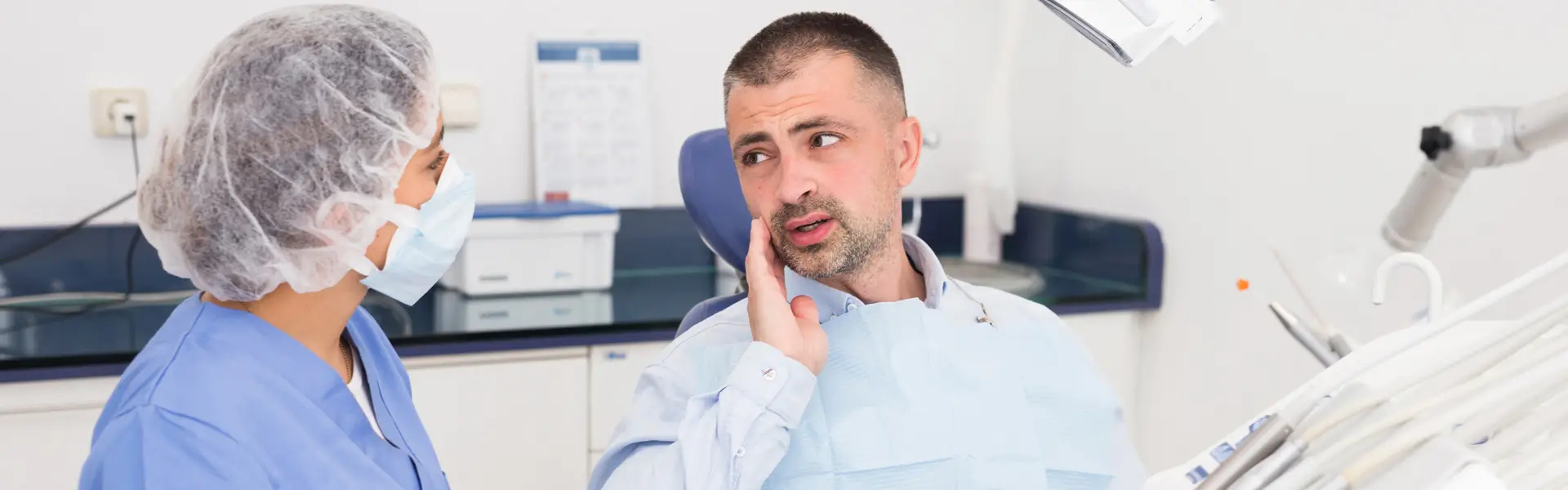
Reasons You May Need Emergency Dental Care
Sudden dental problems can interrupt everyday life without warning, causing pain, discomfort, or damage that may worsen if left untreated. Issues such as persistent toothaches, swelling, oral bleeding, or broken teeth often require prompt evaluation to prevent further complications. From sports injuries and workplace accidents to falls and other unexpected incidents around Stockton, urgent dental concerns can occur in many situations. Prompt evaluation by an experienced emergency dentist in Stockton, CA, may help identify the source of the problem and guide the most effective treatment approach.
Severe Toothache or Persistent Pain
Continuous tooth pain should not be ignored, as it may signal infection or another serious dental concern. Ongoing discomfort may be caused by infection, advanced tooth decay, nerve irritation, or internal tooth damage. Some patients notice pain while chewing, while others experience constant throbbing that affects sleep or daily activities.
You should contact a dental professional if tooth pain occurs with:
- Swelling in the gums or face
- Fever
- Pus near the tooth
- Difficulty chewing
- Pain that becomes more severe over time
Delaying care may allow the infection or damage to spread into nearby tissues.
Knocked-Out Tooth
A knocked-out tooth requires immediate dental attention, as prompt treatment may improve the chances of saving it. Falls, sports injuries, and facial trauma are common causes of tooth loss. Acting quickly after the injury is important because the tooth may still be reattached if treated promptly.
If a permanent tooth is knocked out:
- Hold the tooth by the crown instead of the root
- Rinse it gently with clean water if needed
- Avoid scrubbing the tooth
- Carefully place it back into the socket if possible
- If that is not possible, store it in milk or saliva
- Seek emergency dental care immediately
An emergency dentist Stockton patients trust can examine the injury and determine the best course of treatment.
Cracked or Broken Tooth
A cracked or broken tooth can expose its inner portion to bacteria, increasing the risk of infection.
Teeth may crack because of:
- Biting hard foods
- Teeth grinding
- Sports injuries
- Falls or accidents
- Untreated cavities
Symptoms may include swelling, pain while chewing, sensitivity, or sharp edges inside the mouth. Even small fractures should be evaluated, as bacteria may enter the damaged area and lead to more serious oral health problems over time. A dentist in Stockton can assess the tooth’s condition and recommend treatment based on the fracture’s severity.
Swollen or Bleeding Gums
Persistent gum swelling or bleeding may indicate gum disease, infection, or another underlying dental condition. In some situations, swelling may spread into the jaw or face and become increasingly painful. Gum infections should not be ignored because untreated infections may affect nearby tissues and teeth.
You should seek prompt dental care if you experience:
- Ongoing bleeding
- Facial swelling
- Severe gum discomfort
- Difficulty swallowing
- Fever
- Swelling that continues to worsen
Dental infections can become more serious quickly if professional care is delayed. The loss of a filling or crown may expose the inner tooth structure, leading to pain and a greater risk of decay.
Lost Filling or Crown
Fillings and crowns help protect weakened teeth from additional damage and sensitivity. Some patients notice sudden sensitivity while eating or drinking after losing a restoration.
Until you can visit the dentist:
- Avoid chewing on the affected side
- Keep the area clean
- Avoid sticky or hard foods
- Save the crown if it remains intact
Leaving the tooth untreated for too long may increase the risk of further complications.
Uncontrolled Bleeding
Bleeding inside the mouth that continues after applying pressure may be a sign of a serious dental emergency. This may happen after facial injuries, oral surgery complications, sports accidents, or trauma involving the gums or soft tissues.
Immediate dental care is important if:
- Bleeding does not stop
- Blood flow becomes heavy
- Swelling increases rapidly
- Facial trauma is involved
A quick evaluation may help reduce additional complications and protect surrounding oral tissues.
When to Look for Emergency Dental Care
Not every dental problem requires emergency treatment, but some symptoms should be evaluated promptly.
You should contact a dental professional if you experience:
- Severe tooth pain
- Swelling in the face or gums
- Knocked-out teeth
- Cracked or broken teeth
- Signs of infection
- Difficulty swallowing
- Persistent bleeding
People searching online for an emergency dentist near me should seek professional care promptly when severe symptoms develop unexpectedly.
Don’t Ignore the Signs
Dental pain and swelling can become more serious if treatment is delayed. Infections inside the mouth may spread into nearby tissues and increase the risk of additional health complications. Early dental care can reduce discomfort, improve treatment outcomes, and help preserve damaged teeth whenever possible. Even symptoms that appear minor at first may worsen without professional evaluation.
Schedule Your Emergency Dental Appointment
Prompt dental care is important when severe pain, swelling, bleeding, or dental injuries occur. Prompt evaluation by an emergency dentist open now can help identify the cause of the problem and support timely treatment. Lakefront Smiles – Stockton provides emergency dental care for patients experiencing urgent oral health concerns. Individuals experiencing severe dental symptoms should contact the office to schedule an emergency evaluation.
FAQs
Severe pain, swelling, uncontrolled bleeding, knocked-out teeth, and signs of infection are common dental emergencies that require prompt care.
An emergency room may help manage severe pain or swelling, but dentists are usually better equipped to treat the underlying dental condition.
A knocked-out tooth should receive immediate care, as prompt treatment may improve the chances of saving it.
Small cracks may not always require immediate treatment, but pain, swelling, or deeper fractures should be evaluated promptly.
Save the crown if it comes out, limit pressure on the affected tooth, and arrange a dental appointment as soon as possible.

Dr. Pushpinder Sethi is a general and cosmetic dentist at Lakefront Smiles in Stockton, CA. With over 15 years of hands-on experience transforming smiles, she focuses on preventative oral health, clear aligners, implants, and full-mouth rehabilitation using modern digital technology. Dr. Sethi completed her Doctor of Dental Surgery in university of pacific in San Francisco and continually advances her training in cosmetic, implant, and orthodontic dentistry through ongoing education. She is known for evidence-based care, clear communication, and a gentle chairside manner. Schedule with Dr. Sethi.
©2026 Lakefront Smiles | Privacy Policy | Web Design, Digital Marketing & SEO By Adit