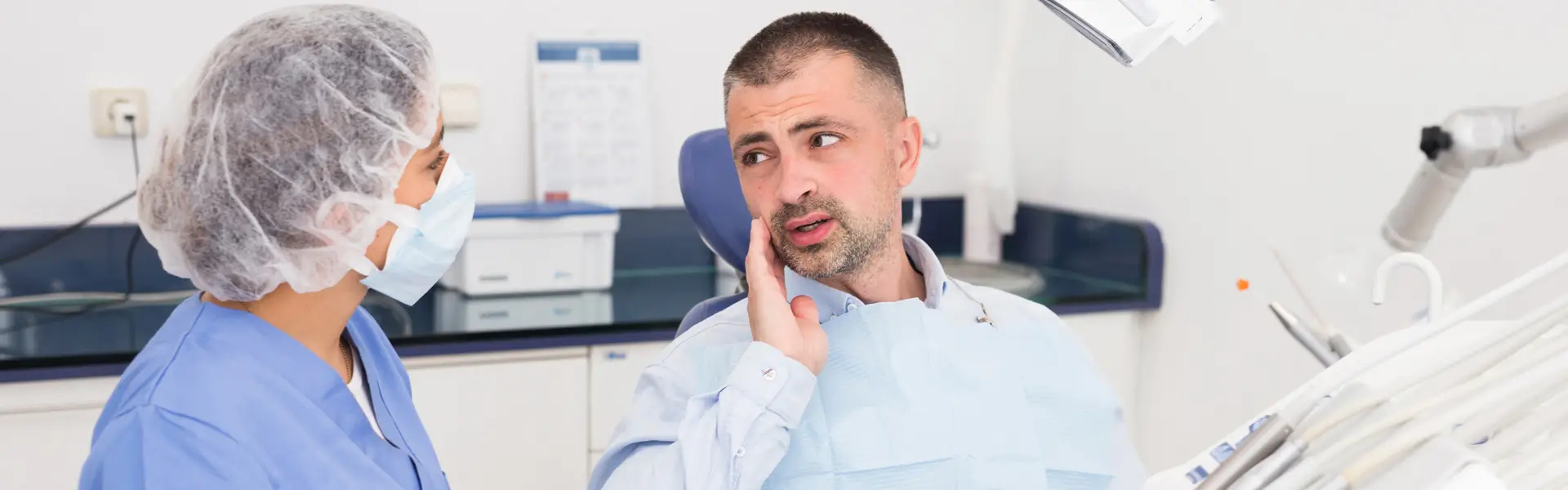
Reasons You May Need Emergency Dental Care

Sudden dental problems can interrupt everyday life without warning, causing pain, discomfort, or damage that may worsen if left untreated. Issues such as persistent toothaches, swelling, oral bleeding, or broken teeth often require prompt evaluation to prevent further complications.

From sports injuries and workplace accidents to falls and other unexpected incidents around Stockton, urgent dental concerns can occur in many situations.

Prompt evaluation by an experienced emergency dentist in Stockton, CA, may help identify the source of the problem and guide the most effective treatment approach.

Severe Toothache or Persistent Pain

Continuous tooth pain should not be ignored, as it may signal infection or another serious dental concern. Ongoing discomfort may be caused by infection, advanced tooth decay, nerve irritation, or internal tooth damage.

Some patients notice pain while chewing, while others experience constant throbbing that affects sleep or daily activities.

You should contact a dental professional if tooth pain occurs with:

  • Swelling in the gums or face
  • Fever
  • Pus near the tooth
  • Difficulty chewing
  • Pain that becomes more severe over time

Delaying care may allow the infection or damage to spread into nearby tissues.

Knocked-Out Tooth

A knocked-out tooth requires immediate dental attention, as prompt treatment may improve the chances of saving it.

Falls, sports injuries, and facial trauma are common causes of tooth loss. Acting quickly after the injury is important because the tooth may still be reattached if treated promptly.

If a permanent tooth is knocked out:

  1. Hold the tooth by the crown instead of the root
  2. Rinse it gently with clean water if needed
  3. Avoid scrubbing the tooth
  4. Carefully place it back into the socket if possible
  5. If that is not possible, store it in milk or saliva
  6. Seek emergency dental care immediately

An emergency dentist Stockton patients trust can examine the injury and determine the best course of treatment.

Cracked or Broken Tooth

A cracked or broken tooth can expose its inner portion to bacteria, increasing the risk of infection.

Teeth may crack because of:

  • Biting hard foods
  • Teeth grinding
  • Sports injuries
  • Falls or accidents
  • Untreated cavities

Symptoms may include swelling, pain while chewing, sensitivity, or sharp edges inside the mouth.

Even small fractures should be evaluated, as bacteria may enter the damaged area and lead to more serious oral health problems over time.

A dentist in Stockton can assess the tooth’s condition and recommend treatment based on the fracture’s severity.

Swollen or Bleeding Gums

Persistent gum swelling or bleeding may indicate gum disease, infection, or another underlying dental condition.

In some situations, swelling may spread into the jaw or face and become increasingly painful. Gum infections should not be ignored because untreated infections may affect nearby tissues and teeth.

You should seek prompt dental care if you experience:

  • Ongoing bleeding
  • Facial swelling
  • Severe gum discomfort
  • Difficulty swallowing
  • Fever
  • Swelling that continues to worsen

Dental infections can become more serious quickly if professional care is delayed. The loss of a filling or crown may expose the inner tooth structure, leading to pain and a greater risk of decay.

Lost Filling or Crown

Fillings and crowns help protect weakened teeth from additional damage and sensitivity.

Some patients notice sudden sensitivity while eating or drinking after losing a restoration.

Until you can visit the dentist:

  • Avoid chewing on the affected side
  • Keep the area clean
  • Avoid sticky or hard foods
  • Save the crown if it remains intact

Leaving the tooth untreated for too long may increase the risk of further complications.

Uncontrolled Bleeding

Bleeding inside the mouth that continues after applying pressure may be a sign of a serious dental emergency.

This may happen after facial injuries, oral surgery complications, sports accidents, or trauma involving the gums or soft tissues.

Immediate dental care is important if:

  • Bleeding does not stop
  • Blood flow becomes heavy
  • Swelling increases rapidly
  • Facial trauma is involved

A quick evaluation may help reduce additional complications and protect surrounding oral tissues.

When to Look for Emergency Dental Care

Not every dental problem requires emergency treatment, but some symptoms should be evaluated promptly.

You should contact a dental professional if you experience:

  • Severe tooth pain
  • Swelling in the face or gums
  • Knocked-out teeth
  • Cracked or broken teeth
  • Signs of infection
  • Difficulty swallowing
  • Persistent bleeding

People searching online for an emergency dentist near me should seek professional care promptly when severe symptoms develop unexpectedly.

Don’t Ignore the Signs

Dental pain and swelling can become more serious if treatment is delayed. Infections inside the mouth may spread into nearby tissues and increase the risk of additional health complications.

Early dental care can reduce discomfort, improve treatment outcomes, and help preserve damaged teeth whenever possible.

Even symptoms that appear minor at first may worsen without professional evaluation.

Schedule Your Emergency Dental Appointment

Prompt dental care is important when severe pain, swelling, bleeding, or dental injuries occur.

Prompt evaluation by an emergency dentist open now can help identify the cause of the problem and support timely treatment.

Lakefront Smiles – Stockton provides emergency dental care for patients experiencing urgent oral health concerns. Individuals experiencing severe dental symptoms should contact the office to schedule an emergency evaluation.

FAQs

What qualifies as a dental emergency?

Severe pain, swelling, uncontrolled bleeding, knocked-out teeth, and signs of infection are common dental emergencies that require prompt care.

Can I go to the ER for a toothache?

An emergency room may help manage severe pain or swelling, but dentists are usually better equipped to treat the underlying dental condition.

How quickly should a knocked-out tooth be treated?

A knocked-out tooth should receive immediate care, as prompt treatment may improve the chances of saving it.

Is a cracked tooth always an emergency?

Small cracks may not always require immediate treatment, but pain, swelling, or deeper fractures should be evaluated promptly.

What should I do if my crown falls out?

Save the crown if it comes out, limit pressure on the affected tooth, and arrange a dental appointment as soon as possible.

Top 5 Reasons to Visit a Saturday Dentist

Finding time for dental visits during the week can be difficult when work, school, and daily responsibilities take priority. Many patients delay care when appointment times do not align with their schedules. A Saturday dentist in Stockton, CA, provides access to care outside standard weekday hours. This allows dental concerns to be evaluated sooner rather than waiting for symptoms such as pain or swelling to develop. When choosing a dentist near me, weekend availability often makes it easier to stay consistent with care. Delays in routine care can allow small problems, such as early decay or mild gum inflammation, to progress without noticeable symptoms. By the time discomfort appears, the condition may require more involved treatment. Weekend appointments help reduce these delays and support timely intervention.

Easier to fit into a busy schedule

In areas like Downtown Stockton, Pacific Avenue, or near the University of the Pacific, weekday routines are often tightly scheduled. Dental visits may be postponed, which can allow minor conditions to progress. Saturday appointments allow care to be planned without changing weekday commitments. Appointments can be arranged at convenient times, reducing delays between visits and supporting consistent dental care. From a clinical perspective, delayed checkups increase the likelihood that conditions such as tooth decay or gum inflammation will progress before they are identified. Early-stage conditions are often easier to manage and require less invasive treatment.

Avoid missing work or school

Many patients postpone dental visits to avoid missing work or school. This delay may lead to worsening dental conditions over time. Saturday availability removes this challenge. Weekend appointments are especially helpful for individuals with fixed work schedules or students attending nearby schools. Consistent visits allow the dentist to identify developing concerns at an early stage. Small areas of decay or early gum inflammation can often be managed with simpler treatment when detected on time. Delaying care may result in advanced damage that requires complex procedures. Choosing a dentist available on Saturdays supports continuity of care while maintaining work and school commitments.

Easier to plan for the whole family

Coordinating dental appointments for multiple family members during the week can be difficult. Parents often need to manage work schedules while their children are in school or have activities. Weekend visits allow families to plan appointments together. This reduces the number of separate visits and supports consistent checkups for everyone. For families living in neighborhoods such as Brookside or Spanos Park, this approach simplifies scheduling and improves consistency. It also allows parents to remain present during their child’s visit without adjusting weekday obligations. From a clinical standpoint, routine visits help monitor children’s tooth development, alignment, and oral habits over time. Early identification of concerns allows for timely guidance and preventive care.

Faster care when something feels wrong

Dental problems do not always occur at a convenient time. Tooth pain, swelling, or a broken tooth can develop without warning. Waiting several days for an appointment may allow the condition to progress. Saturday availability provides timely access to evaluation. The dentist determines the cause and begins treatment to prevent the condition from worsening.

Common situations that benefit from weekend care include:

  • Tooth pain or pressure
  • Chipped or broken teeth
  • Lost fillings or crowns
  • Swelling or signs of infection

Patients looking for a dentist open on Saturday near me often need prompt care rather than waiting for weekday availability. Early evaluation can reduce discomfort and limit further damage.

A calmer visit without weekday pressure

Weekend appointments are typically less rushed than weekday visits. Without the need to return to work or school, patients often feel more at ease during treatment. This allows more time for discussion and clearer communication about treatment recommendations. Clear communication helps patients follow care instructions more effectively after the visit. A calmer setting can reduce anxiety for individuals who feel apprehensive about dental visits. This can improve cooperation during treatment and make future visits easier.

Final Thoughts

Saturday availability supports consistent and timely dental care. When appointments are easier to attend, patients are more likely to stay on schedule and address concerns before they progress. Regular visits allow the dentist to monitor changes over time and recommend treatment based on clinical findings. This supports oral health and reduces the likelihood of invasive procedures. If dental visits have been delayed, weekend appointments make it easier to stay on schedule.

Call to Action

Looking for a reliable dentist in Stockton, CA, on Saturday? Schedule your visit with Lakefront Smiles today and get the care you need without interrupting your weekday routine.

FAQs

Are Saturday dental visits as effective as weekday appointments?

Can I get help for dental pain on a Saturday?

Do Saturday appointments fill quickly?

Are all treatments available on Saturdays?

Should I wait until Monday if I have discomfort?


Emergency Dentistry 101: What Every Patient Should Know

Dental problems rarely happen at a convenient time. You might notice sudden pain while walking near the Stockton Waterfront or experience a chipped tooth after a game at Oak Park. These situations can feel urgent, especially when pain or swelling starts to interfere with daily activities. Dental emergencies often involve infection, trauma, or damage to the tooth structure. These conditions can worsen quickly if not evaluated. Many patients wait until symptoms become severe before looking for a nearby dentist, but early care usually helps limit complications and reduce the extent of treatment needed.

Situations That Need Immediate Attention

Some dental problems can wait, but symptoms such as pain, swelling, or trauma require prompt attention.

Common emergency conditions include:

  • Severe tooth pain This may indicate nerve involvement, deep decay, or infection that requires clinical evaluation.
  • Knocked-out tooth A fully displaced tooth needs immediate attention. The surrounding ligament quickly begins to lose viability.
  • Broken or fractured tooth Damage that reaches the inner tooth layers may cause sensitivity and increase the risk of decay or infection.
  • Swelling or dental abscess Facial swelling or pus formation may indicate a bacterial infection that can spread if untreated.
  • Lost filling or crown When protective restorations are lost, the underlying tooth becomes vulnerable to further damage.

Most patients begin searching for an emergency dentist near me once these symptoms start affecting their ability to eat, speak, or sleep.

What You Can Do Before You Reach the Dentist

Your response in the first few minutes can influence the outcome.

Immediate steps to follow:

  • For tooth pain Rinse with warm saltwater to help reduce irritation. Avoid placing medication directly on the gums.
  • For a knocked-out tooth Pick up the tooth by the crown, avoid touching the root, gently rinse it, and attempt to place it back into the socket.
    If that is not possible, store it in milk.
  • For a broken tooth Rinse your mouth and save any fragments if possible. Apply a cold compress to reduce swelling.
  • For swelling Use a cold compress on the outside of your face. Swelling may indicate infection and should be evaluated promptly.
  • For bleeding Apply gentle pressure with clean gauze for several minutes.

If pain, swelling, or trauma is severe, seeking care from an emergency dentist in Stockton, CA for same-day treatment is often necessary.

Why Acting Early Makes a Difference

Delaying care can allow dental problems to progress into infection, structural damage, or loss of tooth viability.

Clinical reasons to seek care early:

  • Infection can spread An untreated localized abscess may extend into surrounding tissues.
  • Tooth survival decreases over time In cases such as avulsion, timing is critical for saving the tooth.
  • Damage can worsen with use Chewing on a fractured tooth can deepen the crack.
  • Pain often increases Inflammation involving the nerve tends to worsen without treatment.

Early evaluation helps determine whether a tooth can be preserved or whether more advanced treatment, including extraction, may be necessary, especially in cases where patients search for emergency tooth extraction near me due to severe damage or infection.

What Happens During an Emergency Visit

Emergency dental visits are focused and structured. The goal is to identify the problem and stabilize the condition.

What typically happens:

  • Clinical examination The dentist evaluates the affected area and reviews your symptoms.
  • Diagnostic imaging X-rays may be taken to assess the roots, bone, or presence of infection.
  • Pain control Local anesthesia or medication is used to manage discomfort.
  • Immediate treatment This may include temporary repair, drainage of infection, or stabilization of the tooth.
  • Treatment planning Based on findings, the dentist will explain the next steps and whether additional procedures are needed.

Treatment decisions are based on the condition of the tooth, the extent of damage, and whether infection is present.

Finding Emergency Care When You Need It

Timely access to care becomes especially important during evenings or unexpected dental issues.

Practical ways to find help:

  • Look for a dental office offering urgent or same-day appointments
  • Check clinics near areas like the University of the Pacific or Lincoln Village for accessibility
  • Confirm that the office handles emergency procedures
  • Choose a provider experienced in managing urgent dental conditions

During an emergency, many patients search for a dentist near me, but choosing a clinic prepared for urgent care can make a difference in how quickly treatment begins.

Habits That Lower Your Risk of Emergencies

While emergencies cannot always be avoided, certain habits can reduce the risk of injury or infection.

Preventive steps include:

  • Wearing a mouthguard during sports
  • Avoiding hard foods or objects that can crack teeth
  • Keeping up with routine dental visits
  • Addressing early signs of discomfort before they worsen
  • Maintaining consistent brushing and flossing habits

Acting Early Protects Your Oral Health

Untreated dental emergencies may lead to increasing pain, infection spread, or damage to surrounding tissues. Pain, swelling, or injury should be taken seriously, especially when they begin to affect daily routines. A timely evaluation allows the dentist to identify the cause, manage symptoms, and plan appropriate treatment. In many cases, early care helps preserve natural teeth and prevents more complex procedures.

If a dental emergency occurs, scheduling a visit at Lakefront Smiles in Stockton, CA can help you receive prompt and appropriate care. If a dental emergency occurs, scheduling a visit at Lakefront Smiles in Stockton, CA can help you receive prompt and appropriate care.

FAQs

What is considered a dental emergency?

A dental emergency includes severe pain, swelling, infection, or trauma to a tooth. These conditions require prompt evaluation to prevent further complications.

Can a knocked-out tooth be saved?

In some cases, yes. The tooth should be handled carefully and reinserted if possible. Seeing a dentist quickly improves the chances of saving it.

When is extraction necessary during an emergency?

Extraction may be recommended when a tooth is severely damaged or infected and cannot be restored. The dentist evaluates whether the tooth can be preserved before removal.

Should I visit the emergency room for dental pain?

Emergency rooms can help manage severe pain or swelling, but they usually do not provide definitive dental treatment. A dentist is best equipped to treat the underlying cause.

How can I manage symptoms before my appointment?

You can rinse with warm saltwater, apply a cold compress, and take over-the-counter pain relief as directed. Avoid placing medication directly on the gums.

Common Problems with Veneers and How to Handle Them: Causes, Fixes, and Prevention

Dental veneers are thin restorations placed on the front surfaces of teeth to address discoloration, surface irregularities, or minor shape concerns when conservative care is appropriate. Before recommending veneers, a dentist in Stockton will examine enamel thickness, bite stability, and gum health, as these factors influence durability and function over time. Understanding common veneer-related problems helps patients recognize changes that may require professional evaluation and supports informed decision-making before complications affect the tooth or surrounding tissues.

Veneers Chipping or Cracking

Veneers are designed to withstand normal biting forces, but they can fracture when exposed to excessive stress. Chipping or cracking most often occurs when mechanical forces exceed the strength of the veneer or the support provided by the underlying tooth.

Contributing factors may include:

  • Nighttime grinding or clenching
  • Habitual biting on hard objects
  • Accidental trauma involving the front teeth

Evaluation of damaged veneers includes analysis of fracture patterns, bite contacts, and the condition of the supporting tooth. Small surface defects may sometimes be managed, while deeper cracks typically require replacement to maintain tooth protection and chewing function. During scheduled clinical reviews, bite contacts and surface wear are reviewed to identify stress patterns that could increase fracture risk.

Veneers Falling Off or Becoming Loose

A veneer that becomes loose or detaches usually indicates changes affecting the bond between the restoration and the tooth. Reduced bond stability is often associated with moisture interference during placement, altered bite contact over time, or decay developing near the veneer margin.

When this occurs, the exposed tooth surface is examined to determine whether rebonding is appropriate or if further treatment is required. Patients exploring dental veneers in Stockton options should understand that retention depends not only on initial placement conditions but also on maintaining tooth structure and gum health over time.

Tooth Sensitivity After Veneers

Sensitivity may occur after veneer placement due to enamel reduction required for proper seating and alignment. This response is typically related to temporary exposure of the tooth’s inner layers rather than damage to the nerve.

Sensitivity may present as:

  • Discomfort when consuming hot or cold foods
  • Brief, sharp sensations during biting

Sensitivity patterns are monitored over time to determine whether symptoms are resolving or require further assessment. Persistent discomfort may prompt a review of bite contact or an examination of veneer margins to rule out irritation to the underlying tooth.

Gum Irritation or Inflammation

Healthy gum tissue supports veneer margins and helps maintain long-term oral stability. Gum irritation can develop when plaque accumulates near the restoration or when the veneer edge interferes with natural tissue contours.

Gum response is evaluated through observation of tissue color, firmness, and bleeding patterns. Management may include refining the veneer margin, reinforcing daily oral hygiene techniques, or addressing early signs of inflammation. Timely clinical review allows margin-related irritation to be addressed before gum inflammation compromises restoration stability.

Veneers Looking Too Bulky or Unnatural

Concerns about veneers appearing bulky or unnatural are often related to thickness, contour, or shade selection rather than the treatment concept itself. Excess material may interfere with speech or alter bite mechanics if proportions are not properly controlled.

Veneer thickness and contour are assessed in relation to adjacent teeth and functional movement to ensure compatibility with speech and chewing. Discussions around veneers’ pros and cons typically address aesthetic expectations alongside functional limits, reinforcing that appearance must align with oral mechanics and long-term comfort.

How Long Do Veneers Typically Last?

The lifespan of veneers varies depending on material choice, bite forces, and oral hygiene habits. Function over time is influenced by how well mechanical stress is distributed and how consistently oral health is monitored.

Factors that affect longevity include:

  • Regular dental examinations
  • Management of grinding or clenching habits
  • Avoidance of excessive pressure on front teeth

Patients searching for composite veneers near me should be aware that composite materials may require more frequent maintenance than porcelain alternatives, although repairs are often simpler to perform when needed.

Final Thoughts

Questions such as Are veneers worth it often arise when patients compare restorative and cosmetic treatment options. Veneers may be appropriate in specific clinical situations, but they involve enamel alteration and require long-term monitoring. The benefits of getting veneers should be weighed alongside bite stability, gum health, and future dental needs.

Patients often search terms such as best dentist in Stockton when comparing treatment options, but appropriate veneer care depends on individualized clinical evaluation rather than generalized rankings. Educational guidance provided by Lakefront Smiles supports informed discussions about veneer limitations, maintenance considerations, and realistic outcomes.

Frequently Asked Questions

Can a chipped veneer always be repaired?

Do veneers require special cleaning routines?

Is veneer treatment reversible?

Can veneers correct bite alignment issues?

How do dentists determine whether veneers are appropriate?

What to Expect After a Dental Filling Appointment

A dental filling rebuilds a decayed portion of a tooth, helping it stay firm and pain-free during everyday activities. After your appointment, it is normal to wonder what sensations are expected and how long they will last. Many patients in Stockton, near areas like the Miracle Mile or the waterfront, want clear guidance on pain, sensitivity, and eating after treatment so they can get back to their normal life with confidence.

Immediate Effects After Your Appointment

Right after a dental filling, your mouth will likely still feel numb from the local anesthetic. This numbness can last a few hours, especially in the lips, tongue, and cheek on the treated side. During this time, take care not to bite your cheek or tongue, and avoid very hot foods or drinks that you might not feel properly.

Early on, your bite may seem a bit different from what it did before treatment. As the numbness wears off and you chew normally, your brain adjusts to the new shape of the tooth. If your bite still feels “off” after a day or two, a quick adjustment visit can usually correct the problem.

Dental Filling Recovery Fast Facts

  1. Numbness can last a few hours after treatment
  2. Mild soreness is common for a day or two
  3. Sensitivity to hot, cold, or pressure often improves over time
  4. Call your dentist if the pain is sharp, throbbing, or worsening

Eating and Drinking After a Filling

When the anesthetic wears off, you can usually return to your normal diet, but it is smart to start gently. Chew on the opposite side for the rest of the day if the tooth feels tender.

For the first 24 hours, it often helps to:

  • Choose softer foods like yogurt, eggs, pasta, or soup
  • Avoid very sticky or hard foods that stress the new filling
  • Limit extremely hot or icy drinks if the tooth feels sensitive

If your filling is on a back tooth, take your time when chewing. This is especially helpful after larger dental fillings in Stockton, CA, where the tooth may need a little extra time to settle.

Mild Discomfort or Soreness

Some soreness in the gums or jaw is normal after keeping your mouth open for a dental procedure. This mild discomfort often feels like a dull ache or tenderness when you bite down. Most patients find that nonprescription pain relievers, taken according to the label, provide adequate relief.

Gentle brushing and warm saltwater rinses can also soothe the tissues around the tooth. If pain becomes sharp, wakes you at night, or worsens after the first few days, contact your dentist so they can check for bite issues or other concerns.

How Long Does Sensitivity Last?

It is common to feel brief sensitivity to hot, cold, or pressure for a short period after a filling. In many cases, this improves steadily over a few days to a couple of weeks as the tooth adapts.

Sensitivity should be getting better, not worse. If you notice pain that lingers for more than a few seconds after a cold drink or if biting causes a quick jolt of pain, let your dental office know. For more details on what is normal and what is not, you can also review the guidance at https://www.lakefrontsmiles.com/pain-after-cavity-filling-what-is-normal/.

How Long Do Dental Fillings Last?

How long a dental filling lasts depends on the filling material, how hard you bite, and your everyday habits. Many fillings last several years and sometimes much longer with good home care and regular checkups.

To help your filling last:

  • Brush twice daily with fluoride toothpaste
  • Floss once a day between teeth and around the filling
  • Limit frequent sugary snacks and drinks
  • Use a nightguard if you tend to grind or clench your teeth.

Your dentist will check each filling at routine visits and let you know if any areas show signs of wear, small cracks, or leakage that may need attention.

How to Care for Your Dental Crown After Treatment in Stockton, CA

Caring for Your Crown the Right Way

Getting a dental crown is a great way to protect and restore a damaged tooth. Once the procedure is complete, proper care helps your crown look and function its best for many years. If you’ve recently had treatment or are exploring dental crowns in Stockton, CA, following these care tips will help you maintain a strong, healthy smile.

Maintain Daily Oral Hygiene

The key to a long-lasting crown is consistent oral care. Brush two times in a day using a soft-bristled toothbrush and fluoride toothpaste to take out food particles and plaque. Gently floss around the base of the crown to keep the gumline clean—using floss threaders or interdental brushes can make this easier.

Although crowns resist decay, the tooth underneath still needs protection. Keeping the area clean helps prevent gum irritation and cavities near the restoration.

Avoid Hard or Sticky Foods

Crowns are durable but not unbreakable. Hard foods such as ice, nuts, or hard candies can chip or crack the surface. Sticky food choices like caramel or gum may loosen the bond. Choose softer foods and chew evenly on both sides of your mouth. If you’re unsure what’s safe to eat after treatment, your dentist near me can offer specific recommendations.

Manage Sensitivity and Soreness

Mild discomfort or temperature sensitivity is common for a few days after placement. Rinsing with warm salt water and also using an over-the-counter pain reliever (if approved by your dentist) can help. Avoid very hot or cold foods at first, and brush gently around the treated tooth. If pain lasts more than a week, schedule a checkup to make sure the crown fits correctly.

Keep Up with Regular Dental Visits

Routine exams are essential to check the health of your crown and gums. During visits, your dentist will inspect the crown, clean difficult-to-reach spots, and look for early signs of wear or irritation. Professional cleanings every six months help your restoration last longer and prevent future issues.

Protect Against Grinding and Accidents

If you consistently clench or grind your teeth, a night guard can safeguard your crown and natural teeth from damage. For athletes or anyone active in contact sports, a custom mouthguard helps prevent accidental breaks or chips. Taking these precautions keeps your smile safe and your crown secure.

When to Call Your Dentist

Reach out to your dental office if you notice:

  • Persistent pain or swelling
  • A loose or wobbly crown
  • Sharp edges, cracks, or chips
  • Receding gums or new sensitivity

Prompt attention prevents further complications and helps preserve your restoration.

Protecting Your Investment in a Healthy Smile

A dental crown restores both the beauty and strength of your smile. With consistent care, healthy habits, and regular checkups, your restoration can last for many years.

For personalized aftercare or crown maintenance, visit Lakefront Smiles in Stockton, CA, where our caring team provides expert guidance and comfortable, effective treatment for every patient.

FAQs About Dental Crown Care

How long will my dental crown last?

With good oral hygiene and routine checkups, most crowns last 10–15 years or more. Avoid chewing hard objects and see your dentist twice a year to extend longevity.

Can I floss around my crown?

Yes. Flossing keeps gums healthy and prevents buildup around the edges. Use gentle up-and-down motions instead of snapping the floss through.

What foods should I avoid after getting a crown?

Stay away from sticky or hard foods—like caramel, ice, and popcorn—for a few days. Stick to soft options such as yogurt, eggs, and mashed potatoes while healing.

Is sensitivity normal?

Yes. Slight sensitivity to temperature or pressure is expected for several days. If it stays or worsens, contact your dentist for an adjustment.

Can a crown come loose?

It’s rare but possible if the cement wears down or decay forms underneath. If your crown feels unstable or falls off, see your dentist right away for safe reattachment.

How to Choose the Best Endodontist in Stockton for Your Root Canal

When you hear you need a root canal, it can make anyone nervous. But the truth is, today’s treatment is faster, safer, and more comfortable than ever before. Choosing the right endodontist, the specialist who performs root canal procedures, can make all the difference between a smooth recovery and lingering discomfort. If you’ve been searching for a dentist, knowing what to look for in a specialist can guide you toward lasting relief and confidence in your smile.

What Is an Endodontist and Why Specialist Care Matters

An endodontist concentrates on treating the interior of the tooth, particularly the soft tissue known as the pulp. This area houses nerves and blood vessels that help keep your tooth alive. When decay or injury reaches that inner space, it can lead to infection and pain. That’s where an endodontist steps in.

Unlike a general dentist, an endodontist completes additional years of advanced training to master precision techniques used in root canal therapy in Stockton, CA, and beyond. They use specialized tools that allow them to clean and seal delicate root structures with accuracy that preserves natural teeth.

Why does this matter? Keeping your natural tooth helps maintain your bite alignment, jaw health, and confidence. It also prevents future dental issues that often follow extractions, such as shifting teeth or bone loss. So, while it might seem easier to have a tooth removed, saving it through expert care usually leads to better long-term comfort and health.

Specific Considerations for Stockton, CA

When comparing options after searching for a dentist near you, remember that Stockton offers a range of dental specialists, but not all have the same level of experience or technology. Before you choose, think about what’s most important to you as a patient.

Here are a few things to consider:

  • Location and convenience: Choose a practice that’s easy to reach and offers flexible scheduling for follow-up visits.
  • Technology: Look for digital imaging, 3D scanning, and microscope-assisted procedures. These tools ensure more accurate results and less discomfort.
  • Reputation and reviews: Read local patient stories. Stockton residents often share insights about how gentle and professional their care felt.
  • Comfort options: A good specialist explains every step and offers pain management solutions that fit your comfort level.

At Lakefront Smiles, patients often appreciate how local expertise pairs with compassionate care. The right environment can calm nerves before treatment even begins.

Questions to Ask When You Meet or Call

Choosing an endodontist is a partnership. Don’t hesitate to ask questions before agreeing to treatment. Here are a few to keep in mind:

  1. How many root canal procedures do you perform each month?
  2. What technology do you use to ensure accuracy?
  3. What should I expect before, during, and after the procedure?
  4. Will my general dentist be updated about my treatment plan?
  5. What steps can I take to help the recovery go smoothly?

An experienced specialist will welcome your curiosity and answer with clarity. Feeling comfortable during this first conversation helps build trust, a key part of any successful dental treatment.

Why Your Choice Matters Long-Term

Many patients think that once a root canal is done, the story ends. But your choice of specialist has lasting effects. Quality work can protect your natural tooth for decades. Poorly done treatment, however, may cause recurring infection, discomfort, or the need for retreatment.

An endodontist who takes the time to examine every canal, sterilize properly, and seal with precision helps prevent complications. They also check the overall bite alignment after treatment, ensuring your tooth fits naturally with the rest of your mouth.

Choosing someone who listens and tailors care to your comfort can also make recovery smoother. You’ll heal faster, eat comfortably, and return to daily life with confidence. That kind of peace of mind is worth the effort it takes to choose carefully.

Steps to Pick the Right Endodontist

Finding the right endodontist doesn’t need to feel overwhelming. Follow these steps to guide your decision:

  1. Research local specialists who focus on endodontic care.
  2. Read patient reviews for insight into comfort, results, and communication.
  3. Verify credentials such as advanced training and certifications.
  4. Ask questions about technology, pain control, and post-care support.
  5. Visit the office to see how the team interacts with patients and handles concerns.

These steps help ensure your dental care feels personal, safe, and centered around your well-being.

How Cosmetic Dentistry Connects to Endodontic Care

Some patients worry about how their treated tooth will look afterward. Modern restorative options make it possible to blend treated teeth with your natural smile. After the root canal, your dentist may suggest a crown or aesthetic improvement. If you’ve been thinking about dental veneers near you, mention it during your visit. Cosmetic and restorative treatments often go hand in hand to protect and enhance your smile after a root canal.

Your specialist and general dentist can coordinate to ensure your tooth not only feels healthy but looks its best, too.

Final Thoughts

Choosing the best endodontist in Stockton is more than checking names online. It’s about trusting your smile to someone who values precision, comfort, and genuine care. Remember, your oral health affects your whole body, from how you eat to how you speak and feel each day.

If you’re experiencing tooth pain or sensitivity, reach out to Lakefront Smiles. Book a consultation to discuss your options, learn what’s causing your discomfort, and take the first step toward lasting relief and confidence in your smile.

How Tooth Extraction Restores Oral Health in Stockton

You want relief from that stubborn toothache. You want to chew without flinching. You want simple answers you can trust. Tooth extraction can give you a clean start when other fixes no longer serve you. We will guide you through the why, the benefits, the visit, the healing, and the moment you book help in Stockton.

Reasons Tooth Extraction Becomes Necessary

You try to save every tooth. That goal makes sense. Still, a badly damaged or infected tooth can keep you in a pain cycle. Cracks spread. Decay creeps under old fillings. A deep infection stirs the nerve and the bone around it. When a tooth risks your comfort or your health, removal can protect the rest of your smile.

Common reasons your dentist may recommend removal:

  • Severe decay that reaches the nerve and weakens the tooth
  • A deep crack that splits the tooth into parts
  • A stubborn infection that keeps coming back
  • Problem: wisdom teeth that press on gums or neighbors
  • Space needs before orthodontic treatment

If you wake at night with throbbing pain or you see a puffy spot on the gums, you need a same-week exam. Search for a trusted dentist near me and book a visit before the problem grows. You protect time, money, and comfort when you act early.

Benefits of Tooth Extraction for Oral Health

A safe, well-planned extraction removes a source of pain and stress. Your body stops fighting a losing battle. Swelling calms. You chew more evenly. Your gums heal and support the teeth that stay. You also set the stage for smart tooth replacement, which restores balance and protects your bite.

You gain these clear benefits:

  • Fast relief from constant pain and pressure
  • Lower chance of infection spreading to nearby teeth
  • Healthier gums that no longer struggle with a bad tooth
  • Better chewing on both sides of your mouth
  • A clean site ready for a future bridge or implant

For local care with flexible scheduling and clear fees, consider trusted options for tooth extractions in Stockton, CA. You will find teams who plan the visit around your comfort zone, explain options for replacing the tooth, and help you choose the time that fits your life.

What Happens During the Procedure?

You deserve a calm, step-by-step visit. Your dentist starts with digital X-rays and a focused exam. You ask questions. You agree on a plan. Then the team prepares you for a smooth, low-stress appointment.

Here is the simple flow you can expect:

  • We numb the tooth and the nearby gum so you stay comfortable
  • We loosen the tooth gently so the ligaments release
  • We remove the tooth with steady, careful movements
  • We clean the area and place gauze for pressure
  • We review your home instructions, meds, and follow-up

You stay in control the whole time. You raise a hand if you need a break. You leave with a clear plan for meals, rest, and check-ins. Most people return to work or school the next day with sensible care.

Healing After an Extraction

Healing starts the moment you bite on gauze. A protective clot forms to cover the site. You keep this natural barrier in place with simple steps. You rest, hydrate, and eat soft food. You avoid smoking and straws, so the clot stays stable. You brush and floss the other teeth like normal while you baby the area.

Follow these easy guides for a smooth recovery:

  • Rest the first day and keep your head slightly raised when you sleep
  • Use cold packs on and off for the first few hours
  • Take your pain relief as directed, even if you feel okay
  • Sip water often and choose soft, cool foods like yogurt, eggs, and mashed potatoes
  • Rinse with warm salt water after the first day to keep the spot clean
  • Keep the site food-free by chewing on the other side for a few days

If you need quick advice or a work note, contact a dental office near you and ask for same-day guidance. You should also call if pain spikes after day three, if you notice a foul taste, or if swelling grows instead of shrinking.

When to See a Dentist in Stockton

Some signs tell you to book now. You feel sharp pain when you bite. You see a pimple on the gum near one tooth. You chew on one side to dodge a tender spot. You notice broken edges that catch your tongue. You take pain pills more often just to get through the day.

Make the call right away if you notice:

  • Pain that keeps you up at night
  • Facial swelling or warmth near a tooth
  • A cracked tooth after a bite on something hard
  • A deep cavity that traps food and is hard to clean
  • A wisdom tooth that causes soreness when you open wide

Act before a weekend or a trip. Quick care prevents a harder visit later. You also open more choices for replacement and timing. You will feel lighter the moment you book, because you know help waits.

Final Thoughts

You can end tooth pain and protect your smile with one focused visit. You will heal with simple home care and a clear plan for the space that remains. Schedule your consultation with Lakefront Smiles today. Ask every question on your mind, get a personalized plan, and take the first step toward lasting relief and confident eating.

Why Implants Are Ideal for Tooth Loss

Tooth loss alters how you eat, speak, and feel each day. But there’s a trusted, lasting solution. Dental implants in Stockton, CA offer a powerful way to restore comfort, function, and confidence. If you’re exploring options for a healthier, stronger smile, this blog will show why implants stand as the smart and reliable choice.

Implants Look and Feel Like Natural Teeth

When it comes to your smile, appearance matters. But it’s not just about looks. Comfort plays a big role, too.

Dental implants are precisely crafted to replicate the shape, size, and color of natural teeth. Once placed, they integrate seamlessly with the surrounding teeth, making them virtually indistinguishable. Additionally, implants remain firmly in place during everyday activities such as speaking and eating, offering both stability and comfort without the risk of slipping or movement.

  • Each implant is anchored firmly into your jaw.
  • You can brush and floss the usual way you do, no special tools required.
  • They don’t come out at night or need adhesives.

People often forget they even have one after a while. That’s how natural they feel. If you’ve been searching for a dentist near you who understands the importance of that kind of seamless fit, it’s worth asking about implants.

Long-Lasting and Durable

Tooth replacement isn’t something you want to do over and over. That’s where implants have a major advantage.

With the correct care, a dental implant can last decades, sometimes a lifetime. Compare that to bridges or dentures, which often need replacing every 5 to 10 years. Implants are made with strong materials built to handle daily wear.

  • Titanium posts are used for their strength and biocompatibility.
  • The crown on top resists staining and chipping.
  • Regular brushing, flossing, and cleanings help keep everything healthy.

Choosing dental implants means you’re making an investment in a long-term solution that saves time and worry down the road. It’s one less thing on your mind and one more reason to smile.

Prevents Bone Loss in the Jaw

What most people don’t realize is that tooth loss affects more than the surface. Without a tooth in place, the jawbone underneath starts to shrink. This process, called bone resorption, changes the shape of your face over time and can even cause nearby teeth to shift.

Implants fix that.

Because an implant is placed into the bone, it stimulates the area in the same way a natural root would. That keeps the jaw strong and helps preserve your facial structure.

  • Prevents sagging or hollowed cheeks.
  • Keeps other teeth stable and aligned.
  • Supports long-term oral health.

If you’re visiting a dental office near you and wondering how to protect your smile for years to come, this benefit alone makes implants worth asking about.

Restores Full Chewing Power

Many individuals find themselves cutting food into small portions or avoiding certain meals altogether, a concern more common than often acknowledged. Traditional dentures can shift during use or lead to discomfort, including sore spots, making the act of eating both challenging and unpleasant. This can significantly affect one’s dietary choices and overall quality of life.

Implants solve that. Once healed, they give you back nearly 100% of your original bite force.

  • Eat steak, corn on the cob, or apples without worry.
  • No more second-guessing your menu choices.
  • Enjoy meals again with family, friends, or just by yourself.

The significance extends beyond nutrition; it is about reclaiming a sense of normalcy and self. Patients often describe that initial experience of biting and chewing with a dental implant as a memorable and transformative moment, one that restores both comfort and confidence.

Improves Speech and Confidence

Missing teeth or improperly fitting dentures can interfere with clear speech, often leading to slurred words or difficulty articulating certain sounds. As a result, individuals may begin to withdraw from conversations or social interactions, which can negatively affect their self-confidence and all-round quality of life.

Dental implants stay in place, allowing your tongue and lips to move naturally. You don’t need to adjust the way you speak or hold back from laughing in a room full of people.

  • Speak clearly without clicking sounds or lisping.
  • Smile freely without worry.
  • Enjoy conversations without second thoughts.

It’s a small change that makes a big difference. The boost in confidence alone is worth it for many people who’ve spent years hiding their smile.

Final Thoughts

Dental implants offer more than a fix; they give you back the freedom to live, speak, and smile with confidence. If you’re dealing with tooth loss, don’t settle for discomfort or uncertainty. Choose a solution that lasts. At Lakefront Smiles, we’re ready to help you take the first step toward a healthier, stronger smile. Call us today to schedule your consultation.

Tips to Maintain Fillings Long-Term

Getting dental fillings is a step toward saving your teeth and avoiding pain, but what happens after you leave the dental chair? The truth is, your job isn’t done. To keep your fillings strong and effective for years to come, you need to take care of them like you would your natural teeth.

Whether you’ve just gotten your first filling or have had them for a while, these tips can help you avoid damage, bring down costs, and enjoy long-term dental health.

Practice Good Oral Hygiene Daily

Good oral hygiene isn’t optional. It’s your best defence against bacteria that can lead to new cavities or damage the edges of your existing fillings.

Here’s what to do:

  • Brush (2 times) every day using a soft-bristled toothbrush and fluoride toothpaste.
  • Don’t skip flossing—plaque builds fast between teeth.
  • Use an antibacterial mouthwash to minimize harmful bacteria.

By cleaning your mouth thoroughly every day, you protect not just your natural teeth but also your dental work. That means fewer visits to the emergency dentist near you and fewer surprises.

Avoid Hard or Sticky Foods

You might love chewing ice or enjoying caramels, but your fillings don’t. Certain foods can crack or pull out fillings, especially if they’re still new.

Foods to be cautious with:

  • Hard: ice, popcorn kernels, jawbreakers.
  • Sticky: taffy, caramel, gummy candies.

Don’t worry you don’t have to cut out all your favourites. Just eat them carefully and less frequently. If you’re unsure about what’s safe, ask your dentist next time you visit Lakefront Smiles for dental fillings in Stockton, CA.

Schedule Regular Dental Checkups

Dental problems don’t always hurt—until they get serious. That’s why regular checkups are so important. Dentists can spot tiny issues before they turn into big ones.

Checkups help by:

  • Spotting cracks or wear in your fillings.
  • Detecting cavities near or under the filling.
  • Catching gum disease early.

We recommend seeing your dentist every six months. If you’ve had large fillings or several repairs, you might need to come in more often.

Avoid Teeth Grinding (Bruxism)

Grinding your teeth in your sleep might seem harmless, but it puts your fillings at risk. Constant pressure can wear them down or even make them pop out.

Signs you might be grinding:

  • Sore jaw when you wake up.
  • Headaches in the morning.
  • Teeth that look flat or chipped.

If any of these sound familiar, talk to a dentist near you about a custom nightguard. It cushions your teeth while you sleep, protecting both your fillings and your bite.

Choose the Right Filling Material

Not all fillings are made the same. Depending on where the cavity is and how much pressure that tooth handles, some materials will last longer than others.

Common options:

  • Composite (tooth-colored): Great for front teeth, blends in well.
  • Amalgam (silver): Durable, often used in molars.
  • Ceramic or gold: Long-lasting but may cost more.

Your dentist will help you choose the best type for your lifestyle, habits, and budget. For example, if you love crunchy snacks, your dentist might suggest a tougher material for molars.

Watch for Sensitivity or Discomfort

Fillings shouldn’t hurt after the first few days. If you notice pain, sensitivity, or discomfort when biting down, don’t ignore it. That could be a sign your filling is loose, cracked, or infected underneath.

Common signs to watch for:

  • Sudden sharp pain when eating.
  • Temperature sensitivity.
  • Pressure when chewing.

Acting quickly can prevent a minor fix from becoming a root canal. Book a visit with your local dental team as soon as you notice a change.

Don’t Use Your Teeth as Tools

Yes, we all open things with our teeth sometimes. But the cost? Cracked fillings, chipped enamel, and even broken crowns.

Avoid using your teeth to:

  • Open bottles or packages.
  • Bite your nails.
  • Hold objects like pens or clips.

Treat your mouth like the tool it was meant to be—just for eating and speaking. You’ll avoid accidents and protect your fillings for the long haul.

Stay Hydrated and Watch Your Sugar Intake

Saliva performs a big role in washing away bacteria. When your mouth is dry, your risk for decay around your fillings goes up.

To help:

  • Drink water through the entire day, especially after eating.
  • Cut back on sugary drinks and snacks.
  • Chew sugar-free gum to stimulate saliva.

A hydrated mouth is a healthy mouth. And that’s especially important for people with fillings, as bacteria love to sneak into tiny gaps.

Conclusion

Fillings don’t last forever but with a little daily care, they can stick around a long time. From brushing and flossing to being mindful about what you chew, small steps make a big difference.

Ignoring your fillings could lead to infections, cracks, or lost fillings. That means discomfort, more appointments, and more expenses. Don’t wait for pain to take action.

Call Now Book Now
Click to listen highlighted text!