Emergency Dentistry for Tooth Pain: Fast Relief When You Need It

Tooth pain can strike out of nowhere, and when it does, it demands fast action. Whether it’s a sudden ache or swelling that won’t quit, having an emergency dentist near you can bring quick peace of mind. Don’t let the pain take over. Know what to do, when to act, and how to stop it from coming back.

Recognizing a Dental Emergency: Signs You Shouldn’t Ignore

Some types of pain can wait. Others can’t. Knowing the difference could save your tooth—or more.

Watch for these signs:

  • Sharp, sudden, or throbbing pain that doesn’t ease up
  • Swelling in your gums, jaw, or face
  • A cracked, broken, or knocked-out tooth
  • Bleeding that doesn’t stop.
  • A bad taste in your mouth (could mean infection)
  • Pressure sensitivity when chewing or biting
  • Heat and cold make the pain worse.

Pain is the body’s alarm system. Don’t hit snooze. Get help fast if any of these signs show up.

Common Causes of Severe Tooth Pain

Tooth pain comes from more than just cavities. Here are a few culprits that might surprise you:

  • Abscess: A deep infection near the root or gum
  • Cracked Tooth: Often caused by biting hard or grinding
  • Lost Filling or Crown: Exposed nerves hurt—a lot
  • Gum Infection: Can spread fast if ignored
  • Tooth Decay: When decay reaches the nerve, the pain is intense
  • Impacted Wisdom Teeth: Pressure in the jaw causes pain and swelling.

Even biting into something too hard or unexpected can trigger sudden pain. If this happens, call a dentist near you right away.

Quick Relief Tips for Sudden Toothaches

While you wait for your appointment, try these steps to ease the pain:

Do:

  • Rinse with warm salt water
  • Apply a cold compress to the cheek.
  • Take over-the-counter pain relief (follow the label)
  • Keep your head elevated.
  • Use clove oil if available—it helps numb the area.

Don’t:

  • Put aspirin directly on your gums (this burns tissue)
  • Ignore swelling—it can spread.
  • Try to pull or “wiggle out” a loose tooth.
  • Delay getting professional help

You might feel tempted to tough it out, especially if the pain comes and goes. However, with dental pain, delay often leads to bigger problems.

Emergency Dental Care: What to Know Before You Go

You’re in pain. You’re nervous. That’s normal. Understanding the process can calm your nerves.

Here’s what a typical visit looks like at Lakefront Smiles:

  • Quick Exam: The dentist will first find the source of your pain
  • X-rays: Helps spot infections, cracks, or deep decay
  • Pain Management: Immediate steps to calm the discomfort
  • Treatment Plan: You’ll get options explained in simple terms.
  • Follow-up Instructions: Aftercare matters for full healing

Sometimes treatment happens that same day. Other times, it might involve coming back—but rest assured, the main goal is to stop your pain now.

If you’re searching for a dentist in Stockton, don’t wait until the pain gets unbearable. Relief is closer than you think.

Preventive Measures to Avoid Future Dental Emergencies

Once the pain is gone, the next step is staying ahead of future trouble. You can prevent many dental emergencies with simple habits.

Make these a part of your daily routine:

  • Brush twice each day (2 minutes per session)
  • Floss once daily
  • Don’t skip your dental checkups (twice a year)
  • Wear a customized mouthguard if you grind your teeth
  • Never use teeth to open bottles, rip tape, or tear tags
  • Choose a diet low in sugar and high in water
  • Replace your toothbrush every 3 months.

Most people think of dental care as reactive, but it’s proactive. Those regular cleanings? They stop small issues before they grow into big ones. You’ll save time, money, and pain in the long run.

Final Thoughts

Tooth pain shouldn’t stop your life in its tracks. Quick action, awareness, and a caring dentist make all the difference. At Lakefront Smiles, your comfort matters most. Don’t wait for pain—schedule an appointment today and reclaim your peace of mind. With trusted care and practical prevention tips, a healthier smile is just one call away!

Professional Teeth Whitening: What to Expect During Your Appointment

A bright smile isn’t just about looks—it’s about confidence. Stains from coffee, wine, and aging can dull your teeth over time. While over-the-counter options promise results, professional whitening offers a faster, safer, and more noticeable transformation. Wondering what the process involves? Let’s walk you through your teeth-whitening appointment step by step.

Initial Consultation and Assessment

Before jumping into whitening, your dentist needs to ensure it’s the right treatment for you. Every smile is different, and not all discoloration responds the same way.

Why a Consultation is Important

A whitening treatment isn’t one-size-fits-all. Some types of stains don’t respond well to bleaching, and underlying dental issues like cavities or gum disease need to be addressed first. That’s why an evaluation with a dentist in Stockton is the first step.

What Happens During the Consultation?

  • A thorough dental examination helps your dentist spot cavities, gum disease, or excessive sensitivity early on.
  • They determine the type of stains—extrinsic (surface stains from food and drinks) or intrinsic (deeper stains caused by aging or medication).
  • If your enamel is too thin or you have dental restorations like crowns or veneers, your dentist may suggest alternative treatments.

Pre-Treatment Recommendations

To get the best results, your dentist might recommend:

  • A thorough dental cleaning to eliminate plaque and tartar accumulation.
  • Use a desensitizing toothpaste for a week before your appointment if you have sensitive teeth.
  • Avoid staining foods like coffee, berries, and red wine for a few days before treatment.

Preparing for the Whitening Procedure

Once your dentist confirms you’re a good candidate, it’s time to prepare for the actual whitening session.

Step-by-Step Preparation

  • Your teeth are properly cleaned to remove any surface debris.
  • A protective layer is put on your gums and lips to avoid contact with the whitening agent.
  • Your dentist may take “before” photos to track your progress.

Why Preparation Matters

Skipping preparation could lead to uneven whitening, gum irritation, or increased sensitivity. By following the necessary steps, your teeth whitening procedure will be both safe and effective.

The Whitening Process: Step-by-Step

Now for the exciting part—brightening your smile! The in-office whitening procedure typically lasts between 60 to 90 minutes, depending on the method used.

How It Works

  • Application of Whitening Gel – A high-strength whitening gel consisting hydrogen peroxide or carbamide peroxide is carefully applied to the teeth.
  • Activation with Light (if applicable) – Some treatments use LED or laser light to accelerate the whitening process and break down stains more effectively.
  • Waiting Periods – The gel is left on your teeth for 15 to 30 minutes, and your dentist may repeat the process to enhance the results.
  • Rinsing and Fluoride Application – Once the process is complete, the gel is removed, and a fluoride treatment may be applied to minimize sensitivity.

You might notice a slight tingling or warmth during the session, but the procedure is typically comfortable. If you feel any discomfort, your dentist can make necessary adjustments to keep you relaxed.

Post-Treatment Care and Immediate Results

What to Expect Right After Whitening

  • Your teeth will look noticeably whiter—sometimes up to eight shades brighter!
  • Some patients experience mild tooth sensitivity, which usually fades within 24 to 48 hours.
  • The enamel is slightly porous immediately after whitening, making teeth more prone to staining.

Managing Sensitivity

To avoid discomfort after your appointment:

  • Stay away from very hot or cold foods for the first 24 hours.
  • Brush with a soft-bristled toothbrush and use sensitive toothpaste.
  • Drink a great amount of water, but avoid acidic or colored drinks like soda and coffee.

Your smile will look instantly fresher and brighter, but to keep those results lasting, you’ll need to follow proper aftercare.

Maintaining Your Whitened Smile

A whitening treatment isn’t permanent, but with the right care, your bright smile can last for months or even years!

What to Avoid Right After Whitening

For the initial 48 hours, steer clear of:

  • Coffee, tea, red wine, and soda
  • Dark berries and tomato-based sauces
  • Smoking or tobacco products

These foods and habits can cause staining while your teeth are still absorbing the effects of whitening.

Long-Term Oral Care Tips

  • Clean your teeth properly every day with brushing and flossing to eliminate plaque and avoid stains.
  • Choose a whitening toothpaste that your dentist recommends.
  • Drink dark-colored beverages through a straw to minimize contact with teeth.
  • Schedule regular checkups at a dental clinic near you to maintain oral health and prevent discoloration.
  • Keep your smile looking its best by opting for touch-up treatments every few months.

By following these steps, you can keep your teeth looking radiant for the long run.

Final Thoughts

A professional whitening treatment offers a fast, effective way to enhance your smile. From consultation to post-treatment care, you now know what to expect every step of the way. If you’re considering teeth whitening in Stockton, visit Lakefront Smiles for expert care and stunning results. With the right maintenance, your brighter smile can last for years!

Smile Bright: The Long-Term Benefits of Cosmetic Dentistry

Introduction

Cosmetic dentistry isn’t just about appearances; it’s about creating smiles that boost confidence and improve oral health. From whitening treatments to veneers, cosmetic dentistry offers solutions tailored to your needs. If you’ve ever wondered how these treatments can transform your life, this guide will explain their long-term benefits. Consult a dentist in Stockton to discover how cosmetic dentistry can work for you.

Improved Aesthetic Confidence: How a Perfect Smile Transforms Self-Esteem

Your smile is often the first thing people notice, and a bright, healthy smile can make a world of difference in how you feel about yourself. Discolored, misaligned, or chipped teeth can lead to self-consciousness, but cosmetic dentistry addresses these concerns. Teeth whitening brightens stained teeth, and veneers cover imperfections, creating a flawless smile. With a lovely, confident smile, you can express yourself freely in social and professional settings. For those ready to regain confidence, consult a cosmetic dentist near you to learn more about the possibilities.

Better Oral Health: The Functional Advantages of Cosmetic Dental Treatments

Cosmetic dentistry doesn’t just focus on aesthetics—it also improves oral functionality. Treatments like dental crowns protect weakened teeth, preventing further decay, while veneers add an extra layer of protection to your enamel. Misaligned teeth corrected with Invisalign or other orthodontic treatments make oral hygiene easier, reducing the risk of gum disease and cavities. Investing in your smile through cosmetic procedures also contributes to long-term oral health.

Long-Lasting Results: Why Cosmetic Dentistry Is a Worthwhile Investment

Many cosmetic dental treatments are designed to last for years with proper care. Porcelain veneers, for example, can last over a decade, while dental implants provide a permanent solution for missing teeth. The durability of these treatments ensures you won’t need frequent replacements, making them a cost-effective solution in the long run. Pairing these procedures with regular dental care ensures your investment pays off over time.

Enhanced Career and Social Opportunities with a Brighter Smile

A beautiful smile can have a surprising impact on your career and social life. Studies show that people with healthy, bright smiles are perceived as more approachable and successful. A radiant smile boosts your confidence, helping you make positive first impressions in interviews or social gatherings. Cosmetic dentistry provides the tools to improve your smile, empowering you to seize new opportunities with confidence.

Preventive Benefits of Cosmetic Dentistry: Stopping Dental Issues Before They Start

Cosmetic dentistry also plays a preventive role in oral health. Treatments like bonding strengthen teeth weakened by minor cracks or chips, while veneers protect the enamel from wear and tear. Aligning teeth with orthodontic treatments reduces plaque buildup, preventing gum disease and cavities. By addressing minor issues early, you avoid more extensive dental procedures down the line, saving both time and money. Regular check-ups with a dentist in 95207 ensure your smile stays healthy and radiant.

The Psychological Impact of a Beautiful Smile: Feeling Better Inside and Out

The benefits of a great smile extend beyond physical appearance. Many patients experience improved mental well-being after cosmetic dental procedures. Smiling more often has been linked to decreased stress and a more positive outlook on life. Whether it’s the confidence to speak up in meetings or the joy of seeing a bright smile in the mirror, the psychological impact of cosmetic dentistry is undeniable. Feeling good about your smile leads to feeling good about yourself.

Conclusion

Cosmetic dentistry offers a unique combination of aesthetic and functional benefits, making it an investment in both your appearance and oral health. Whether you’re addressing discoloration, misalignment, or missing teeth, the results of cosmetic treatments are long-lasting and transformative. With enhanced confidence, improved oral health, and a brighter smile, the impact of these treatments is genuinely life-changing. Visit Lakefront Smiles to begin your journey toward a healthier, more radiant smile with expert care tailored to your needs.

The Invisalign Process: What to Expect at Each Stage

A revolutionary orthodontic option for people looking for a discrete and efficient way to straighten their teeth is Invisalign. By using clear aligners, Invisalign shifts teeth into their ideal position without the need for traditional braces. This modern treatment is designed for comfort and convenience, making it a well-liked option for anyone in need of orthodontic treatment. A dentist in Stockton can also give insights on Invisalign offers a tailored solution to meet your needs.

Understanding the Invisalign Process

The Invisalign treatment involves several stages designed to ensure a successful outcome. Here’s what you can expect during each step of the process:

Initial Consultation

  • Your dentist will provide a thorough examination to start your trip.
  • Advanced imaging technology, such as 3D scanning, creates a detailed model of your teeth.
  • A customized treatment plan is developed, outlining each stage of tooth movement.

Patients looking for Invisalign in Stockton benefit from a personalized approach to orthodontic care tailored to their unique dental structure.

  1. Custom Aligner Fabrication
    • Invisalign aligners are created using state-of-the-art technology to ensure a perfect fit.
    • Each set of aligners is designed to move your teeth gradually.
  2. Wearing Your Aligners
    • To get the best outcomes, aligners must be worn for 20 to 22 hours per day.
    • They are removed during meals and while brushing or flossing.
  3. Regular Check-Ups
    • Your dentist schedules periodic check-ins, usually every 6–8 weeks.
    • These visits ensure that your treatment progresses as planned and allow any necessary adjustments.
  4. Refinement Stage
    • Once the main treatment phase is complete, additional aligners may be provided for final refinements.
  5. Retention Phase
    • A retainer is used after treatment to maintain the new alignment of your teeth.

Benefits of Invisalign

Invisalign offers numerous advantages over traditional braces:

  • Discreet Appearance: The transparent aligners are virtually invisible, making them ideal for adults and teens.
  • Comfortable Fit: The smooth plastic trays eliminate the discomfort caused by brackets and wires.
  • Convenient: Because aligners are detachable, you can continue to practice the right oral hygiene and eat the foods you love.
  • Effective Results: Invisalign can treat various issues, including crowding, spacing, and minor bite problems.

By consulting a dental clinic near you, you can enjoy the many benefits of Invisalign.

Addressing Potential Discomfort

While Invisalign is known for its comfort, in the beginning, some patients could feel a little uncomfortable.

  • Adjustment Period: You may feel slight pressure or soreness as your teeth shift.
  • Relief Tips: Over-the-counter pain relievers and warm salt water rinses can help ease discomfort.
  • Professional Support: A trusted dentist in Stockton offers guidance and support to ensure you stay comfortable throughout treatment.

How Invisalign Works

Invisalign aligners gently apply pressure to move teeth over time.

  • Precision Design: Each aligner is crafted to fit snugly over your teeth, applying just the right amount of pressure to guide movement.
  • Gradual Shifts: Aligners are swapped out every 1–2 weeks, with each new set bringing you closer to your ideal smile.
  • Predictable Results: Advanced technology lets your dentist map out the entire treatment process, giving you a clear vision of the outcome.

Common Adjustments During Treatment

During your Invisalign journey, adjustments may be needed to optimize results:

  • Additional Aligners: In some cases, extra trays may be required to fine-tune alignment.
  • Attachments: Tooth-colored buttons may be added to provide better grip and control.
  • Interproximal Reduction (IPR): Small amounts of enamel may sometimes be reshaped to create space for proper alignment.

Regular visits to a dental clinic near you ensure these adjustments are made seamlessly.

Caring for Your Aligners

Proper maintenance of your aligners is essential for successful treatment:

  • Daily Cleaning: Rinse aligners with lukewarm water and clean them gently with a soft toothbrush.
  • Avoid Staining: Remove aligners before eating or drinking anything other than water.
  • Storage: Always keep your aligners in their case when not in use to avoid damage or loss.

Good care not only keeps your aligners clear but also ensures the effectiveness of your treatment.

Real-Life Success Stories

Many patients have experienced transformative results with Invisalign:

  • Enhanced Confidence: Straighter teeth often lead to improved self-esteem.
  • Improved Oral Health: Correct alignment reduces the risk of cavities and gum disease.
  • Convenient and Comfortable: Patients appreciate the ability to attain a beautiful smile without the inconvenience of traditional braces.

If you’re considering Invisalign, a visit to Lakefront Smiles ensures you receive expert care and guidance tailored to your needs.

Key Takeaways

  • Invisalign uses clear aligners to discreetly and effectively correct misaligned teeth.
  • The process includes consultation, aligner wear, adjustments, and retention.
  • Benefits include comfort, convenience, and aesthetic appeal.
  • Regular dental check-ups ensure treatment stays on track for optimal results.

Why Choose Lakefront Smiles?

Patients at Lakefront Smiles receive individualized Invisalign treatment in a friendly, competent setting. The team is dedicated to offering outstanding service and guaranteeing patient happiness from the first appointment to the last retainer.

For those seeking expert guidance in Invisalign in Stockton, Lakefront Smiles offers a proven path to achieving a healthier, more confident smile.

Conclusion

Invisalign combines cutting-edge technology with patient comfort, making it an excellent choice for orthodontic care. Whether beginning your smile journey or refining the final touches, this treatment delivers results you’ll love. Book an appointment with a trusted dentist in Stockton at Lakefront Smiles today and take the first step toward a straighter, brighter smile.

Protect and Perfect Your Smile with Dental Crowns

Your smile is your greatest asset—it radiates confidence and leaves a lasting impression. But what if damage or decay steals that sparkle? Dental crowns are the ultimate solution, restoring not just your tooth’s function but its beauty too. Durable, natural-looking, and versatile, crowns protect your teeth while perfecting your smile. Ready to reclaim your confidence? Let’s dive in!

What Are Dental Crowns?

Dental crowns are caps shaped like natural teeth, designed to fit over damaged or weakened teeth. They restore the tooth’s strength, shape, and appearance while protecting it from further harm. A crown acts like a custom-made shield, allowing your tooth to function just as it did before—if not better.

Here’s a quick look at the materials used to make crowns and their unique benefits:

  • Ceramic or Porcelain: Ideal for front teeth, these crowns mimic the natural color and translucence of enamel.
  • Metal Crowns: Known for their strength, metal crowns work well for molars that endure heavy chewing.
  • Porcelain-Fused-to-Metal (PFM): Blends the durability of metal with the natural look of porcelain, making it a versatile choice for various situations.
  • All-Resin Crowns: A cost-effective option, though less durable than other materials.

With advancements in dental technology, crowns today are more durable and lifelike than ever, providing both function and beauty.

When Do You Need a Dental Crown?

A dental crown isn’t just a cosmetic solution—it’s often a necessity for protecting your oral health. You might need a crown in the following situations:

  • Cracked or Weak Tooth: If your tooth has a crack or is at risk of breaking, a crown reinforces it and prevents further damage.
  • After a Root Canal: Following a root canal procedure, a crown helps restore strength to the tooth, which may have been weakened during treatment.
  • Heavily Worn Teeth: Excessive grinding or clenching can wear down your enamel, leaving teeth vulnerable to sensitivity and damage.
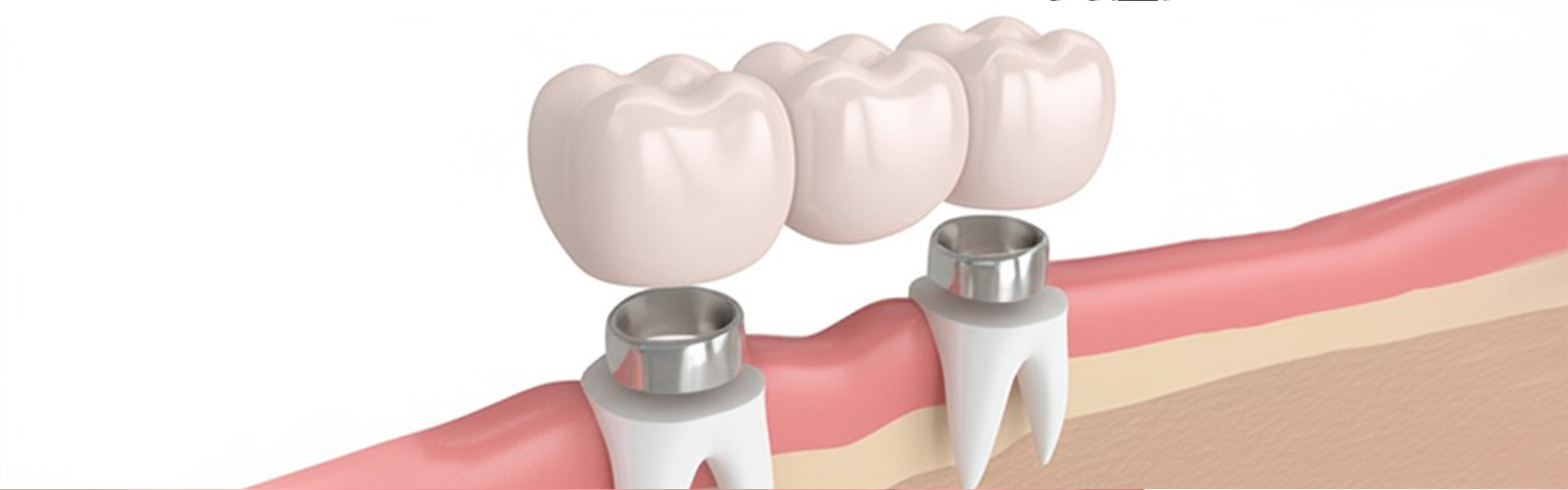
  • To Support a Dental Bridge: Crowns anchor dental bridges, filling gaps where teeth are missing.
  • On Dental Implants: Crowns are the final restoration placed on dental implants, creating a natural-looking and functional replacement for missing teeth.

If you’ve been considering dental crowns near you in Stockton, that will offer a lasting solution tailored to your needs.

The Dental Crown Process: What to Expect

Dental crowns are a gradual process that is intended to make your smile more comfortable and convenient.:

  1. Consultation and Assessment: During your first visit, your dentist evaluates your tooth and takes X-rays to determine if a crown is the best solution. This step is critical for creating a treatment plan tailored to your needs.
  2. Tooth Preparation: The affected tooth is reshaped to make room for the crown. Damaged or decayed areas are also removed during this process.
  3. Impressions or Digital Scans: A mold or 3D scan of your tooth is taken to ensure the crown fits perfectly.
  4. Temporary Crown Placement: As the permanent crown is being crafted, a temporary crown protects your tooth.
  5. Final Placement: At your second visit, the permanent crown is bonded securely in place, restoring your tooth to full functionality.

Modern advancements, like digital scanning technology, have streamlined this process, offering improved precision and faster results.

Benefits of Dental Crowns

Dental crowns are a widely favored choice in both restorative and cosmetic dentistry as they offer numerous benefits. Here’s what crowns can do for you:

  • Protect Damaged Teeth: Crowns act as a shield, safeguarding vulnerable teeth from decay, cracks, or further wear.
  • Restore Functionality: A crown allows you to chew and speak normally, eliminating discomfort caused by damaged teeth.
  • Improve Aesthetics: Whether you’re covering a misshapen or discolored tooth, a crown blends seamlessly with your smile.
  • Durability: When well-maintained, crowns can endure for ten years or longer, offering a reliable and lasting solution for your dental health.

When placed by a skilled dentist in 95207, crowns can offer a perfect balance of function, durability, and natural beauty.

Caring for Your Dental Crown

Taking care of your crown is really essential to ensure it lasts as long as possible. While crowns are durable, they require the same care as your natural teeth. Here’s how you can keep yours in top condition:

  • Brush and Floss Daily: Maintain good oral hygiene to prevent plaque buildup around the crown.
  • Use Non-Abrasive Toothpaste: Choose a gentle toothpaste to protect both your crown and your surrounding teeth.
  • Avoid Hard or Sticky Foods: Biting down on hard items like ice or eating sticky candies can damage or dislodge your crown.
  • Wear a Mouthguard: If you usually grind your teeth at night, a custom mouthguard can protect your crown from excessive wear.
  • Schedule Regular Dental Check-Ups: Your dentist can check for signs indicative of wear or damage during routine visits.

Remember, your crown is an investment in your smile—treat it with care, and it will serve you well for years to come.

Choosing the Right Solution for Your Smile

Every smile is unique, and so is every dental treatment. That’s why it’s important to work with a dentist who understands your needs and goals. Whether you’re addressing a single damaged tooth or seeking a full-mouth restoration, your dentist will guide you through the alternatives to find the best solution.

Selecting the right treatment isn’t just about fixing teeth—it’s about enhancing your quality of life. When you trust an experienced dentist in Stockton, you can always rest assured that your smile is in good hands.

Preserve Strength and Beauty to Your Smile with Dental Crowns

A dental crown isn’t just a fix for a damaged tooth—it’s a way to regain your confidence and protect your oral health. A crown can maintain the brightness and functionality of your smile for many years with proper maintenance. If you’re ready to explore the benefits of dental crowns, don’t wait! Contact Lakefront Smiles today to schedule your consultation and take the first step toward a healthier, more beautiful smile.

The Benefits of Dental Crowns: Restoring Strength and Beauty to Your Smile

Maintaining a healthy smile can be challenging, especially when faced with tooth damage or decay. Luckily, dental crowns offer a solution that not only strengthens but also beautifies your smile. In this guide, we’ll dive into how dental crowns can restore both function and aesthetics, giving you a smile you’ll love.

What Are Dental Crowns?

Dental crowns are a sought-after treatment option for restoring damaged teeth. But what exactly are they, and how do they work? Here’s a quick breakdown:

  • Protective Caps: Crowns are custom-made covers that fit over damaged or weakened teeth.
  • Materials: Crowns can be made from porcelain, ceramic, or metal, each with unique benefits.
  • Restoration: They restore the shape, strength, and appearance of your teeth.
  • Long-term Solution: Crowns offer protection and functionality, preventing further damage.

At our clinic, we tailor the material and design of the crown to match your specific needs, making sure it has a natural look and a comfortable fit.

How Dental Crowns Improve Your Smile’s Strength

Dental crowns aren’t just cosmetic; they play an essential role in improving the durability of your teeth. Here’s how they contribute to a stronger smile:

  • Strengthens Weakened Teeth: Crowns protect teeth that have been cracked, broken, or weakened by decay.
  • Root Canal Reinforcement: After a root canal, a crown protects the treated tooth from damage.
  • Improves Chewing: Crowns restore the chewing ability of teeth that may have been compromised.
  • Prevents Further Damage: By covering vulnerable areas, crowns stop further wear and tear.

If you’ve been dealing with a tooth that feels weak or painful, getting a crown from a dentist in Stockton can make a world of difference.

Enhancing the Aesthetic of Your Smile with Dental Crowns

Aside from improving functionality, dental crowns can give your smile a makeover. Here are the ways crowns enhance your smile’s appearance:

  • Natural Look: Modern crowns can be color-matched to your teeth, blending in perfectly.
  • Custom Shape: Crowns are shaped to fit in with your surrounding teeth for a flawless smile.
  • Cover Imperfections: They can hide discoloration, chips, or cracks in your teeth.
  • Confidence Boost: With a bright, natural-looking crown, you’ll feel more confident showing off your smile.

Whether you’re fixing one tooth or several, dental crowns near you in Stockton can be the perfect solution for improving your smile’s beauty and balance.

Longevity and Durability of Dental Crowns

One of the top benefits of dental crowns is how long they last with proper care. Here’s what you need to know about the durability of crowns:

  • Lifespan: Crowns typically last anywhere from 10 to 15 years, depending on care.
  • Durable Materials: Crowns made from porcelain or metal are strong enough to withstand daily use.
  • Maintenance: Regular brushing, flossing, and check-ups help extend the life of your crown.
  • Better Than Fillings: Crowns provide more stability and durability compared to large fillings.

Taking good care of your crown ensures you’ll enjoy its benefits for years to come. Regular check-ups at a dental office near you help keep them in top shape.

The Simple Process of Getting a Dental Crown

Wondering what the crown placement process is like? It’s simpler than you might think! Here’s how it works:

  • Consultation: During this visit, your dentist will do an assessment of your tooth and recommend a crown.
  • Preparation: Your tooth is prepared by reshaping it to fit the crown.
  • Temporary Crown: While your long-term custom crown is being made, you’ll wear a temporary crown.
  • Fitting: At the final appointment, the permanent crown is fitted and secured in place.
  • Comfortable Experience: The process is pain-free and completed in a couple of appointments.

The team at Lakefront Smiles – Stockton ensures that your experience is smooth and stress-free, so you leave with a comfortable, restored smile.

Who Can Benefit From Dental Crowns?

Crowns aren’t just for patients with severe damage. Here’s a look at who might benefit from a dental crown:

  • Cracked or Broken Teeth: Crowns offer protection and strength for weakened teeth.
  • After a Root Canal: A crown is essential for preserving a tooth that has undergone root canal therapy.
  • Worn-down Teeth: Teeth worn down by grinding or erosion can be strengthened with crowns.
  • Dental Implants: Crowns can cover and complete dental implants for a full restoration.
  • Cosmetic Reasons: Patients looking to improve the appearance of misshapen or discolored teeth can benefit from crowns as well.

If any of these issues sound familiar, it may be time to consider getting a crown from Dental Crowns near you.

Conclusion

Dental crowns are a wonderful option for anyone looking to restore both the strength and beauty of their smile. Whether you’re dealing with damage decay or simply want to enhance the look of your teeth, crowns offer a durable, natural-looking solution. Remember, upkeeping good oral hygiene and regular visits to a dentist will help ensure your crowns last as long as possible.

Ready to restore your smile’s strength and beauty? 

Lakefront Smiles – Stockton is here to help! Book an appointment for a consultation with us right now to find out more about the advantages of dental crowns. Don’t delay – your perfect smile is just an appointment away.

Is Getting Veneers Worth It? Weighing the Pros, Cons, and Alternatives

Veneers offer a way to enhance your smile by masking issues like stains, chips, or gaps. But before deciding, it’s important to weigh the benefits, potential downsides, and other options available. This blog will explore the upsides, downsides, and alternatives to veneers, helping you determine if they’re the right choice for your smile.

What Are Veneers?

Dental veneers are thin shells formulated from porcelain or composite resin that are custom-designed to bond to the front surface of your teeth. They serve as a perfect facade, hiding imperfections and improving your smile. Thanks to advancements in cosmetic dentistry, veneers can look remarkably natural, mimicking the translucency and light-reflecting qualities of your real teeth.

The Benefits of Getting Veneers

  • Natural-Looking Smile: Dental veneers offer a natural-looking smile. Made from wafer-thin porcelain, they are designed to match your existing teeth, making it hard to distinguish between natural teeth and the veneers. They also feel like real teeth.
  • Minimally Invasive: The placement of veneers involves a minimally invasive technique. Dentists in Stockton only remove a small amount of enamel before cementing the veneers in place. Most patients do not need anesthesia for this procedure, although those who are sensitive to dental work can request it.
  • Easy Maintenance: Maintaining veneers is similar to caring for natural teeth. It’s essential to brush and floss at least twice a day and to visit the dental office near you biannually. During these visits, dentists will check the condition of the veneers and provide professional cleaning to keep them in good shape.

Potential Drawbacks of Veneers

  • Cost: Veneers can be expensive, with prices varying depending on the material and the number of teeth treated. The cost can vary from a few hundred to several thousand dollars per tooth.
  • Irreversible Process: The preparation for veneers involves removing a small portion of enamel from the teeth. This process is permanent, and once done, the tooth cannot be returned to its original state.
  • Sensitivity: After receiving veneers, some patients might become more sensitive to heat or cold. This can be a short-term or ongoing issue, depending on the individual.

Alternatives to Veneers

If the drawbacks of veneers give you pause, there are alternative options to consider. Teeth whitening, dental bonding, and orthodontic treatments like braces or clear aligners can address some of the same concerns that veneers target.

Teeth Whitening:

  • Pros: Non-invasive and can significantly improve the color of your teeth. It’s an affordable and quick solution for stained teeth.
  • Cons: Whitening may not be effective for all types of discoloration, and results can fade over time.

Dental Bonding:

  • Pros: A less expensive and faster alternative to veneers. It involves applying a tooth-colored resin to fix chips, gaps, or discoloration.
  • Cons: Bonding is less durable than veneers and may require touch-ups over time.

Orthodontic Options (Braces, Clear Aligners):

  • Pros: Address alignment issues and gaps without altering the tooth’s structure. These options can lead to long-term improvements in dental health and appearance.
  • Cons: These treatments take time, often months or years, to achieve the desired results. They may also be more costly than other alternatives.

Each alternative has pros and cons, so discussing these options with your dentist is very important to determine the best solution for your needs.

Signs You Might Be a Candidate for Veneers

Veneers are a flexible cosmetic dentistry option that can address various smile concerns. Here are some signs you may be a good candidate for veneers:

  • Discolored or Stained Teeth: If your teeth have become discolored from coffee, tea, or smoking and whitening treatments haven’t worked, veneers can provide a long-lasting solution for a brighter smile.
  • Chipped, Cracked, or Broken Teeth: While minor chips or cracks can often be repaired with bonding, more extensive damage may require veneers for a durable and aesthetically pleasing restoration.
  • Worn-Down Teeth: Over time, teeth naturally wear down. Veneers can help restore the length and shape of worn teeth, giving you a more youthful appearance.
  • Unevenly Spaced or Gapped Teeth: Veneers can effectively seal or close gaps between teeth and create a more harmonious or uniform smile.
  • Minor Misalignment: Although veneers aren’t suitable for significant orthodontic issues, they can address mild misalignment or misshapen teeth, contributing to a straighter-looking smile

Conclusion

Veneers can be a valuable investment for those looking to enhance their smile quickly and properly. They offer numerous benefits, from improving the appearance of your teeth to providing long-lasting results. However, it’s very important to weigh these benefits against the probable drawbacks, like cost and the irreversible nature of the procedure. Exploring alternatives can also provide solutions that align more closely with your needs and budget.

Want a Flawless Smile? Discover If Veneers Are Right for You – Schedule Today!

If you’re considering veneers near you or exploring other options to improve your smile, schedule a consultation with Lakefront Smiles today. Our team is here to guide you through the process, helping you make the best decision for your dental health and aesthetics. Book your appointment at our dental office now and take the first step toward the smile you’ve always wanted.

Clear Aligners vs. Braces: The Discreet Choice for a Confident Smile

Orthodontic treatments, such as traditional braces and transparent or clear aligners, have revolutionized the way we achieve straight, beautiful smiles. Each option offers unique benefits, and choosing the right one is crucial for aesthetics and functionality. This article compares clear aligners and braces, helping you make an informed decision for a confident smile. We’ll explore how each treatment works, their advantages, and what to consider when selecting the best option for your needs.

Understanding Clear Aligners

Clear aligners are custom-made, transparent trays that fit snugly over your teeth. They work by applying or putting gentle pressure to shift teeth into the desired position over time. One of the most popular brands of clear aligners is Invisalign.

Key Features and Benefits

  • Removability: They can be removed for eating, drinking, brushing, and flossing, which makes it convenient and easier to maintain oral hygiene.
  • Comfort: Made of smooth plastic, clear aligners in Stockton, CA, are less likely to irritate gums and cheeks compared to metal braces.
  • Convenience: Fewer dental visits are needed compared to traditional braces since there are no wires to adjust.

What are Braces?

Braces are orthodontic devices used to right misaligned or crooked teeth and jaws. They comprise brackets attached to the teeth and connected by wires and elastic bands. Braces apply or put continuous pressure to move teeth into the desired position.

Types of Braces

  • Metal Braces: Made of top-grade stainless steel, these are the most common type of braces.
  • Ceramic Braces: These braces are less apparent than metal braces because they flawlessly blend with the color of the teeth.
  • Lingual Braces: Placed or put behind the teeth, lingual braces are hidden from view.

Key Features and Benefits

  • Adjustable Appliances: Braces consist of brackets, wires, and sometimes rubber bands that can be adjusted to move teeth into their proper positions over time.
  • Variety: Different types of braces cater to aesthetic preferences and specific dental needs.
  • Long-Term Results: Braces provide lasting results, with well-aligned teeth maintained for years after treatment.

Aesthetic Advantages of Clear Aligners Over Traditional Braces

One of the biggest advantages of clear aligners is their near invisibility. Unlike braces, which are visible whenever you smile or talk, clear aligners are difficult to detect. This makes them a favored choice for adults and teens who are constantly aware of their appearance.

Visibility of Clear Aligners vs. Braces

  • Clear Aligners: These are transparent and hard to notice, allowing for a natural smile during treatment.
  • Braces: Visible brackets and wires can make patients feel self-conscious.

Impact on Appearance and Confidence

  • Clear Aligners: These boost confidence by allowing a natural smile during treatment.
  • Braces: These may cause self-consciousness due to their noticeable appearance.

Comfort and Convenience

Comfort is a significant factor in orthodontic treatment. Clear or transparent aligners are made of smooth plastic, minimizing the risk of irritation. Braces, on the other hand, can cause unease due to metal brackets and wires.

Comfort Level

  • Clear Aligners: Smooth and comfortable with minimal irritation.
  • Braces: Potential discomfort from brackets and wires, especially after adjustments.

Daily Convenience and Lifestyle Considerations

  • Clear Aligners: Removable, allowing for normal eating and oral hygiene practices.
  • Braces: Fixed in place, requiring dietary restrictions and careful cleaning.

Treatment Duration and Effectiveness

The duration and effectiveness of treatment rely on the complexity of the dental issues.

Treatment Time

  • Clear Aligners: Typically, 12-18 months, depending on the case.
  • Braces: It can range from 18 months to 3 years or more.

Effectiveness for Various Orthodontic Issues

  • Clear Aligners: These are effective for mild to moderate issues like crowding and spacing.
  • Braces: These are suitable for all types of orthodontic problems, including complex cases and severe misalignments.

Maintenance and Oral Hygiene

Maintaining oral hygiene is pivotal during orthodontic treatment. Clear aligners are removable, making it easier to brush and floss normally. Braces require more meticulous cleaning to prevent plaque buildup around brackets and wires.

Cleaning and Maintenance

Clear Aligners

  • Daily Cleaning: Rinse your aligners with lukewarm water every time you remove them. Use a soft toothbrush and clear, non-abrasive soap to clean them gently.
  • Deep Cleaning: Soak aligners in a cleaning solution designed for retainers or aligners once a week to keep them clear and odor-free.

Braces

  • Brushing: Brush your teeth after every meal utilizing a soft-bristle toothbrush. Pay special attention to cleaning around brackets and wires.
  • Flossing: Use floss threaders or orthodontic floss to clean between teeth and under the wires. This helps avert plaque buildup and gum disease.

Oral Hygiene Challenges and Tips

Clear Aligners

  • Easy Cleaning: Since aligners are removable, maintaining regular oral hygiene routines like brushing and flossing is straightforward.
  • Consistency: Always brush and floss before reinserting aligners to prevent trapping food particles and bacteria against your teeth.

Braces

  • Difficult Areas: Brackets and wires create more surfaces where food particles can get trapped, making thorough cleaning essential.
  • Regular Dental Visits: Book regular check-ups with your dentist in 95207 for professional cleaning and monitoring of your braces.

Cost Considerations for Clear Aligners vs. Traditional Braces

The cost of orthodontic treatment differs depending on several factors, including the intensity of the case, the timeframe or duration of treatment, and the geographical location.

Average Cost

  • Clear Aligners: $3,000 to $8,000.
  • Braces: $2,500 to $7,000.

Factors Affecting Cost

  • Complexity: More severe cases may cost more.
  • Duration: Longer treatments can be more expensive.
  • Insurance Coverage: Check with your provider for orthodontic benefits.

Suitability for Different Orthodontic Issues

When choosing between clear or transparent aligners and traditional braces, suitability for different orthodontic issues plays a crucial role. Here’s how each option stacks up for various orthodontic conditions:

Types of Dental Issues Best Treated by Clear Aligners

  • Mild to Moderate Crowding or Spacing: Clear aligners are very effective for correcting minor to moderate crowding and spacing issues. They gently push teeth into their proper positions over time.
  • Minor Bite Issues: Clear aligners can treat minor bite problems such as slight overbite, underbite, or crossbite. They gradually adjust the teeth’ alignment to improve the bite.
  • Relapse After Previous Orthodontic Treatment: Clear aligners can help correct this relapse efficiently for patients who have previously had braces and experienced some movement in their teeth.

Types of Dental Issues Best Treated by Braces

  • Severe Crowding or Spacing: Braces are ideal for treating severe crowding or spacing. They provide the necessary strength and control to move teeth more significantly.
  • Teeth Needing Significant Rotation: When teeth need significant rotation or vertical movement, braces offer better control and precision.
  • Comprehensive Jaw Alignment: Braces are more effective for patients who require extensive jaw alignment. This is often necessary in cases of skeletal discrepancies that affect the bite.

Choosing the Right Option for You

Selecting the best orthodontic treatment involves several considerations, such as

  • The severity of dental issues
  • Lifestyle preferences
  • Budget and insurance coverage
  • Personal comfort and convenience

Importance of Consulting with an Orthodontist

An orthodontist can provide a professional assessment of your dental needs and suggest the most suitable treatment option. Here’s why consulting with an orthodontist is essential:

  • Professional Assessment: An orthodontist will perform a thorough examination, including X-rays and digital scans, to accurately diagnose your orthodontic issues.
  • Expert Recommendations: Based on the assessment, the orthodontist can recommend whether clear aligners or braces are more appropriate for your specific case.
  • Customized Treatment Plans: The orthodontist will devise a personalized treatment plan that outlines the probable duration, costs, and any additional procedures required.

Conclusion

Choosing between clear aligners and braces depends on your individual needs, lifestyle, and the complexity of your dental issues. Both options provide unique benefits, from the discreet appearance of clear aligners to the comprehensive treatment capabilities of braces. Consulting with a dental professional at a dental office near you will help you determine the best plan for achieving your desired results. Ready for a confident smile? Contact Lakefront Smiles today to explore your options for clear aligners or braces. Book an appointment and start your journey to better oral health!

Understanding the Tooth Extraction Process: A Step-by-Step Guide

Navigating the tooth extraction process can alleviate uncertainties and prepare you for this common dental procedure. From understanding the reasons behind tooth extraction to the steps involved and post-care recovery, this guide aims to demystify the experience. Whether you’re facing a problematic tooth, preparing for orthodontic treatment, or seeking relief from pain, having the know-how on what to expect can help you make correct decisions about your dental health.

Common Reasons for Tooth Extraction

  • Severe Tooth Decay: When decay extends deep into the tooth and compromises its structure beyond repair.
  • Periodontal Disease: Advanced gum disease that has an impact on the supporting tissues and bones holding the teeth in place.
  • Orthodontic Treatment: Teeth overcrowding or misalignment requiring proper alignment creation.
  • Impacted Wisdom Teeth: These refer to wisdom teeth that have not completely erupted through the gums or grown at an angle, causing pain or potential damage to neighboring teeth.

Preparation for Tooth Extraction

Initial Consultation with the Dentist

The journey begins with a consultation at a trusted dental office near you in Stockton. During this visit, the dentist evaluates the patient’s dental health, reviews medical history, and discusses the reasons for considering tooth extraction. This consultation is crucial for understanding the patient’s concerns, assessing the feasibility of extraction, and planning the next steps in treatment.

Dental Examination and X-rays

A comprehensive dental examination is done to assess the tooth’s condition and surrounding tissues. X-rays are often taken to visualize the tooth’s root structure, bone density, and any potential difficulties, such as impacted teeth or nearness to nerves. These diagnostic tools provide valuable insights that guide the dentist in determining the most appropriate extraction method and anticipating potential challenges.

Types of Tooth Extractions

  • Simple Extractions: Typically performed on visible teeth that are intact and easily accessible. The dentist uses forceps to subtly rock the tooth back and forth, loosening it from the socket before removal under local anaesthesia.
  • Surgical Extractions: More complex procedures involving teeth that are impacted, broken, or not fully erupted. Surgical extractions may require incisions in the gum tissue, sectioning of the tooth into pieces for removal, and sometimes sedation for patient comfort during the procedure. These extractions are performed to preserve oral health and prevent complications.

Steps Involved in the Tooth Extraction Process

Anesthesia

Before beginning the extraction procedure, the dentist administers local anesthesia to make the tooth numb, surrounding gums, and jawbone. Local anesthesia ensures the patient remains comfortable and pain-free throughout the procedure. For more complex extractions or anxious patients, additional sedation choices like oral sedatives or intravenous (IV) sedation may be recommended to induce relaxation and alleviate anxiety.

Treatment Options

The dentist discusses the treatment plan with the patient based on the initial assessment and diagnostic findings. This may involve determining whether a simple extraction, suitable for fully erupted and accessible teeth, or a surgical extraction, necessary for impacted or extensively damaged teeth, is most appropriate.

Incision and Access (for surgical extractions)

In cases where a surgical extraction is required, the dentist begins by making a small incision in the gum tissue covering the tooth. This enables access to the underlying bone and root structure, facilitating the safe removal of the tooth.

Loosening the Tooth

The dentist gently manipulates the tooth within its socket using specialised dental tools called elevators and forceps. The elevator carefully loosens the tooth by applying controlled pressure to separate it from the surrounding ligaments and bone. This process is meticulous to avoid unnecessary trauma to the adjacent teeth and surrounding tissues.

Removal

Once adequately loosened, the tooth is extracted using forceps. The dentist grips the tooth firmly with forceps and applies steady, controlled force to lift it out of the socket. During this process, the dentist may need to rotate the tooth slightly to facilitate its removal. Care is taken to ensure all remnants of the tooth, including any roots or fragments, are completely removed to prevent potential complications.

Post-Extraction Care and Recovery

Immediate Aftercare Instructions

  • Gauze Placement: The dentist places a gauze pad over the extraction site following the extraction. Patients are instructed to bite down gently and firmly on the gauze for about 30-45 minutes to help control bleeding and encourage clot formation.
  • Avoiding Disturbance: It’s important not to disturb the blood clot developing in the socket, as this clot is essential for healing. Patients should refrain from touching the extraction site with their tongue, fingers, or objects.
  • Bite Pressure: Gentle but consistent pressure on the gauze helps control bleeding and promote clot formation. If bleeding persists after the initial period, biting on a moist tea bag can sometimes help due to its tannic acid content.

Managing Discomfort and Swelling

  • Cold Compress: Employing an ice pack or cold compress to the cheek area adjacent to the extraction site can help minimize swelling and alleviate discomfort. It’s recommended to apply the cold compress intermittently for 10-15 minutes at a time during the first 24 hours after the extraction.
  • Pain Medication: Over-the-counter (OTC) pain relievers like acetaminophen (Tylenol) or ibuprofen (Advil, Motrin) can be taken as directed to manage pain and inflammation. Dentists may also prescribe stronger pain medications depending on the patient’s needs.

Dietary Considerations

  • Soft Foods: For the first few days following the extraction, patients should stick to a soft diet to avoid chewing near the extraction site and minimize irritation. Soft foods like yogurt, smoothies, mashed potatoes, soups, and applesauce are recommended.
  • Avoiding Certain Foods: Patients should avoid hot beverages, spicy foods, crunchy snacks, and foods that require vigorous chewing, as these can disturb the extraction site and potentially dislodge the blood clot.

Oral Hygiene Practices

  • Gentle Oral Care: Patients should continue brushing their teeth gently, avoiding the initial extraction site. Maintaining oral hygiene is important to prevent infection. Dentists may recommend rinsing with a saline solution or an antimicrobial mouthwash to keep the mouth clean.
  • Avoiding Rinsing: Patients should avoid rinsing or spitting vigorously for the initial 24 hours after extraction, as this can displace or dislodge the blood clot and interfere with healing.

Follow-Up Appointments

  • Scheduled Visits: Patients should adhere to the recommended follow-up appointments with their dentist in Stockton. These visits allow the dentist to monitor healing progress, remove stitches if needed, and address any concerns or complications that may arise.
  • X-rays: In some cases, follow-up X-rays may be taken to evaluate bone healing and ensure the extraction site is properly healing.

Benefits of Tooth Extraction

  • Relief from Pain and Discomfort: Extracting or pulling out a severely damaged or decayed tooth can mitigate persistent pain and discomfort that may not respond well to other treatments like fillings or root canals.
  • Prevention of Spread of Infection: Extracting an infected tooth averts the infection from spreading to other teeth, gums, or even the jawbone, potentially avoiding more extensive dental problems.
  • Correction of Crowding: Extracting a tooth can create space in a crowded mouth, allowing the remaining teeth to align properly. This can facilitate orthodontic treatment or prevent future dental issues.
  • Enhanced Appearance: Extracting a severely damaged or misshapen tooth can enhance the overall appearance of your smile, especially if the tooth is visible when smiling or talking.

Conclusion

Understanding the tooth extraction process equips patients with essential knowledge for informed dental care decisions. Each step is very important in ensuring successful outcomes, from preparing for the procedure and understanding the different extraction types to managing post-operative care. While tooth extraction may seem daunting, its benefits in alleviating pain, preventing infection, and improving overall oral health underscore its importance. Patients can navigate the process confidently by following recommended guidelines and seeking professional care.  Consult with Lakefront Smiles – Stockton today for expert guidance on tooth extraction near you in Stockton and personalized care tailored to your needs.

Transform Your Smile: The Ultimate Guide to Invisalign

Orthodontic treatment has changed a lot recently. Invisalign has played a big part in making smiles better without being obvious. Straightening your teeth with Invisalign is easier and more discreet than unsightly metal braces. This guide will cover the technology behind Invisalign, its many benefits, and what you can expect during your treatment.

What is Invisalign and How Does It Work?

Invisalign is an orthodontic treatment that gradually aligns teeth using clear, removable aligners. Unlike traditional braces, which involve metal brackets and wires, Invisalign aligners stay virtually invisible and can be easily removed before eating, drinking, and oral care.

The process begins with a consultation with a skilled dentist 95207 who takes digital impressions of your teeth to craft a personalized treatment plan. These impressions guide the creation of a series of aligners, each subtly adjusting the position of your teeth over time.

Am I a Candidate for Invisalign?

Determining if Invisalign is the right choice involves assessing several factors related to your orthodontic needs and lifestyle. Here’s a breakdown to help you evaluate your candidacy:

  • Orthodontic issues: Invisalign is versatile, addressing dental concerns like crowded teeth, gaps, overbites, underbites, and crossbites. However, severe cases might necessitate traditional braces for optimal correction.
  • Commitment to treatment: Invisalign’s success hinges on consistent wear, typically 22 hours daily. If adhering to this schedule seems challenging, Invisalign may not be the most suitable option.
  • Compliance with care instructions: Proper maintenance of aligners is vital for favorable outcomes. Regular cleaning, avoiding damage, and wearing aligners as directed are essential for success.
  • Lifestyle considerations: Invisalign’s removable nature makes daily activities like eating, drinking, and oral hygiene convenient. Invisalign could be a practical choice if your lifestyle demands frequent aligner removal, such as for sports or professional engagements.

The Benefits of Choosing Invisalign Over Traditional Braces

Invisalign presents several advantages over traditional braces, making it an appealing choice for many patients. Notably, its discreet appearance allows for confident smiles without the visibility of metal brackets. Additionally, removing aligners for eating and cleaning simplifies daily routines.

  • Aesthetic appeal: Invisalign aligners are virtually invisible, offering a discreet orthodontic solution.
  • Removability: Aligners can be easily taken out for meals, oral hygiene, and special occasions.
  • Comfort: Constructed from smooth plastic, Invisalign aligners minimize discomfort often associated with traditional braces.

What to Expect During the Invisalign Treatment Process?

Your Invisalign journey commences with an initial consultation, during which your dentist in Stockton assesses your needs and designs a tailored treatment plan. Digital impressions enable the fabrication of custom aligners, which you’ll progress through throughout treatment, typically wearing each set for two weeks.

  • Consultation: Talk to a qualified dentist about your concerns and goals.
  • Digital impressions: Precise measurements are taken to create a personalized treatment plan.
  • Aligner fabrication: Custom aligners are crafted to gradually shift your teeth into alignment.
  • Treatment progression: Transition through a series of aligners, each moving your teeth closer to your desired outcome.
  • Follow-up appointments: Regular check-ups allow your dentist to monitor progress and make any necessary adjustments.

Maintaining Oral Hygiene with Invisalign Aligners

While Invisalign aligners are removable, maintaining good oral hygiene remains essential. Regular brushing and flossing and proper aligner care help ensure optimal results.

  • Brush and floss regularly: Maintain a consistent oral care routine to prevent plaque buildup.
  • Clean your aligners: Rinse aligners with water and gently brush them to remove debris.
  • Avoid staining: Avoid consuming foods and drinks that may discolor aligners.
  • Store properly: Keep aligners in their case when not in use to avoid losing them or damaging them.

Are There Any Limitations to Invisalign Treatment?

While Invisalign offers numerous benefits, it’s essential to consider potential limitations before making a decision:

  • Complex orthodontic issues: While Invisalign can address many dental concerns, severe cases may require alternative treatments like traditional braces or surgical interventions.
  • Compliance with treatment protocol: Adhering to the recommended wear time of 22 hours per day is crucial for successful Invisalign treatment. Non-compliance can lengthen treatment duration and impact results.
  • Cost considerations: Invisalign treatment costs may exceed traditional braces, which are influenced by case complexity and location factors. Discussing costs and available financing options with your dentist beforehand can help you plan effectively.
  • Treatment duration: Invisalign treatment typically spans 12 to 18 months, but individual cases vary. Factors like the seriousness of dental issues and patient compliance influence treatment duration.

Conclusion

Invisalign offers a modern solution for achieving the smile you’ve always wanted. With its discreet design, convenience, and effectiveness, it’s no surprise that more individuals are choosing Invisalign over traditional braces.

Take a Step Towards Your Dream Smile

Transform your smile with confidence at Lakefront Smiles—Stockton! Book your consultation today and learn about the benefits of Invisalign in Stockton. Take a step towards achieving a straighter, healthier smile that lasts a lifetime. Don’t wait any longer to experience the transformation—Book an appointment now and unlock the potential of Invisalign Stockton.

Call Now Book Now
Click to listen highlighted text!